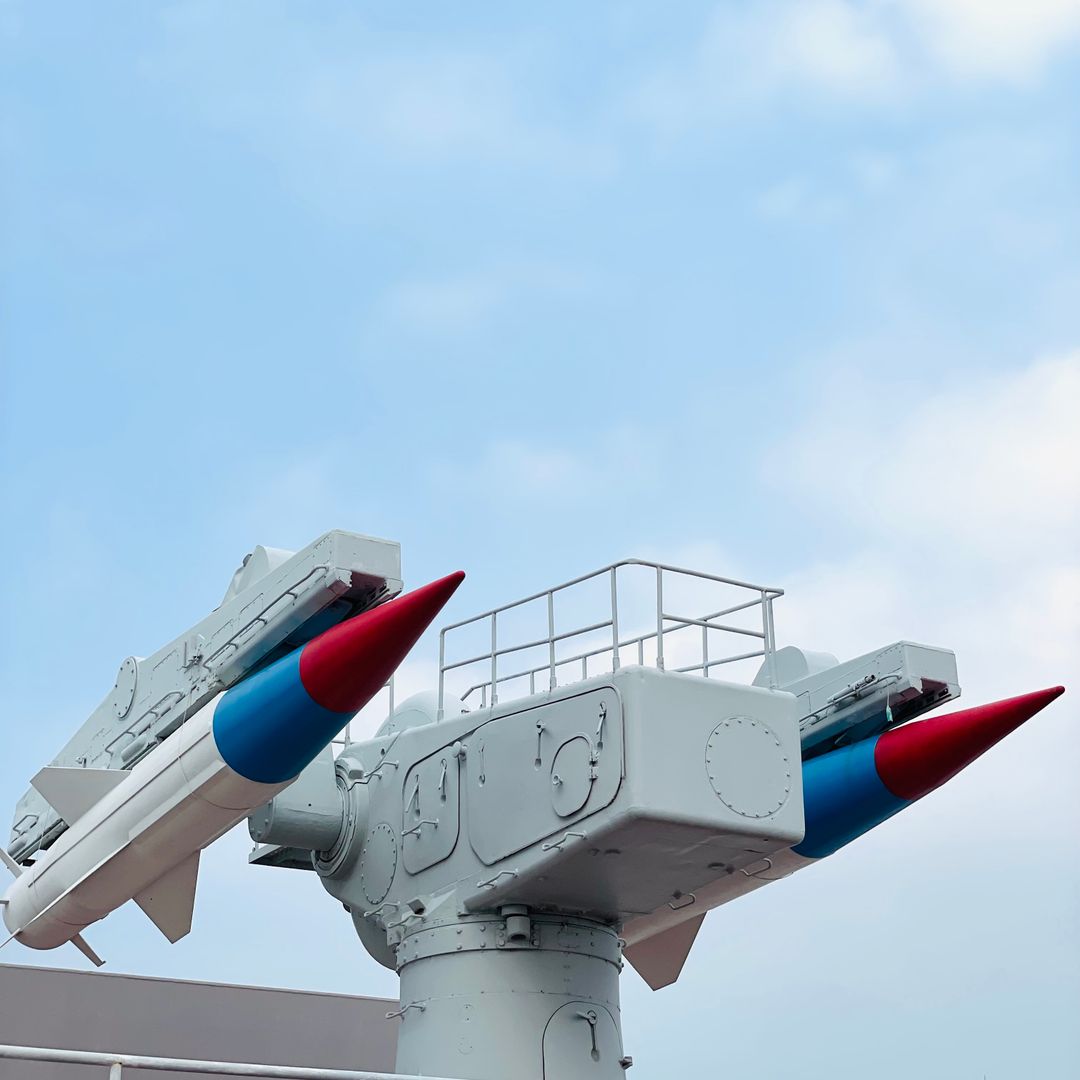
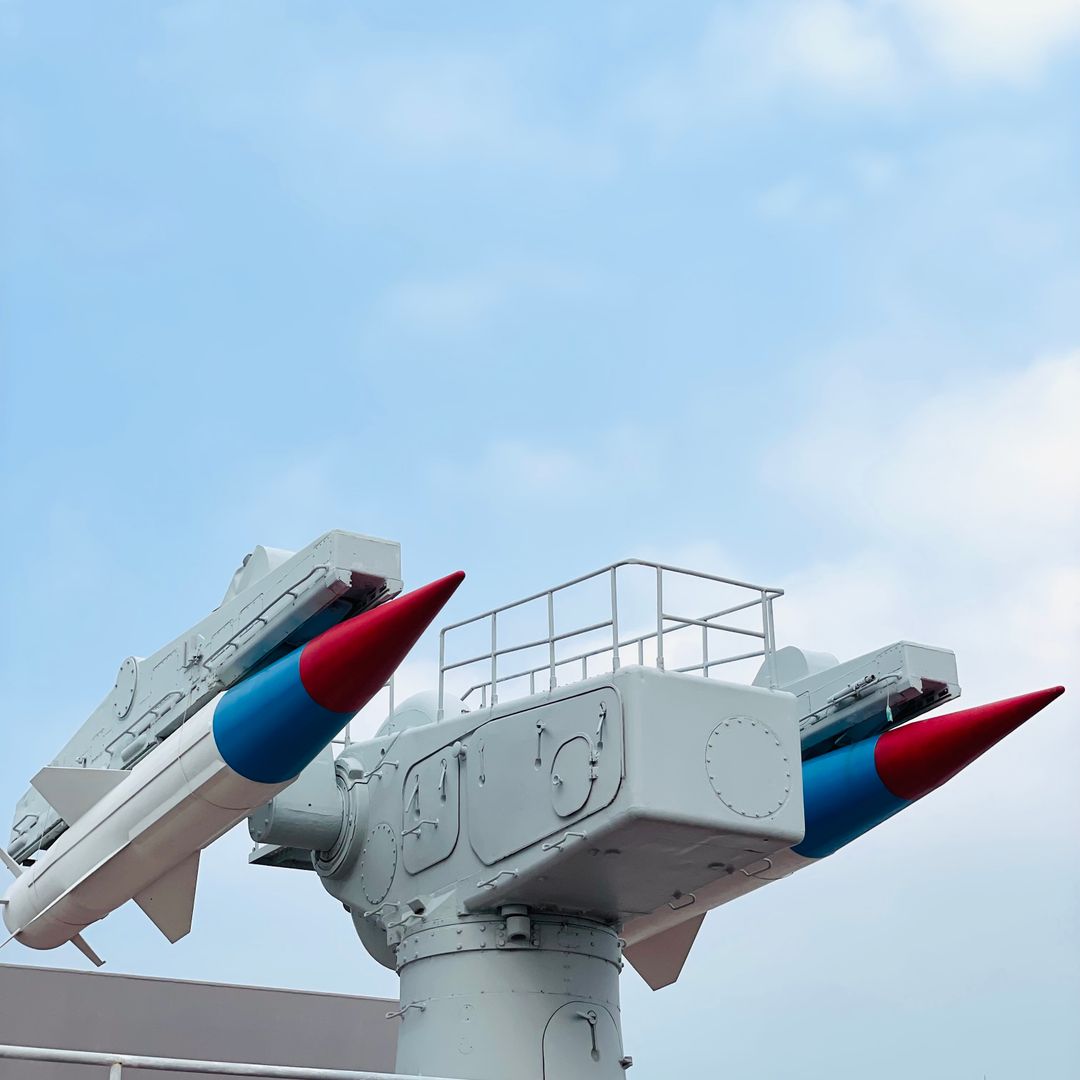
The Republic of Korea’s defense sector recently announced significant progress in the development of its 극초음속 미사일 전격 (hypersonic missile strike) capabilities.
This development underscores a national strategic emphasis on advanced defense technologies, integrating cutting-edge materials science and sophisticated control systems.
Technical Context and Advancements
Hypersonic missiles, characterized by their ability to travel at speeds exceeding Mach 5 (five times the speed of sound), present formidable challenges in engineering and materials science.
Achieving sustained hypersonic flight requires robust thermal management solutions and precise aerodynamic control, often involving scramjet (supersonic combustion ramjet) or boost-glide technologies.
The core technical hurdles revolve around the extreme temperatures generated by atmospheric friction at such velocities, demanding novel high-temperature alloys and ceramic matrix composites.
Furthermore, guidance systems for hypersonic vehicles necessitate highly resilient and precise semiconductor components capable of operating under immense G-forces and vibrations.
These components include advanced inertial measurement units (IMUs) and robust processing units that can withstand the harsh operational environment.
Korean Organizations Driving Innovation
Several key institutions within South Korea are at the forefront of this technological push, combining academic research with industrial application.
- Agency for Defense Development (ADD): This government-funded agency is the primary executor of defense research and development, overseeing the integration of various subsystems for the hypersonic missile program.
- Korea Advanced Institute of Science and Technology (KAIST): As a leading science and technology university, KAIST contributes significantly through fundamental research in aerodynamics, propulsion, and advanced materials. Their aerospace engineering department has ongoing projects related to high-speed flight and propulsion systems, providing critical scientific backing for defense applications (KAIST, 2026).
- Domestic Defense Contractors: A consortium of private defense firms, often operating as startup entities or established conglomerates, are responsible for the manufacturing and integration of specific components, leveraging their expertise in precision engineering and high-volume production.
Evidence and Specifications Supporting Program Progress
While specific technical details of military programs are often classified, public statements and research publications from affiliated institutions provide insight into the program’s direction.
The Ministry of Science and ICT (MSIT) has consistently highlighted the importance of indigenous technological development in critical areas, including aerospace and defense (Ministry of Science and ICT, 2026).
Recent reports indicate successful ground tests of advanced propulsion systems and aerodynamic components designed for high-Mach flight regimes.
These tests validate the computational fluid dynamics (CFD) models and material resilience under simulated hypersonic conditions.
The focus has been on developing an integrated system that can achieve both high speed and maneuverability, distinguishing it from conventional ballistic missile technology.
Table 1: Key Technical Challenges and Korean Development Focus
| Technical Challenge | Korean Development Focus | Related Semiconductor Requirements |
|---|---|---|
| Extreme Thermal Management | High-temperature alloys, ceramic matrix composites, active cooling systems | Radiation-hardened, high-temperature tolerant sensors and processors |
| Aerodynamic Stability & Control | Advanced flight control algorithms, robust actuator systems | High-speed, fault-tolerant microcontrollers and signal processors |
| Propulsion System Efficiency | Scramjet engine design, high-energy fuel research | Integrated circuit (IC) components for engine monitoring and control |
| Precision Guidance & Navigation | Advanced Inertial Measurement Units (IMUs), real-time trajectory correction | Low-drift gyroscopes, accelerometers, high-performance digital signal processors (DSPs) |
Industry Implications and Economic Impact
The advancement of South Korea’s hypersonic capabilities has profound implications for its technology industry, extending beyond the defense sector.
The demanding requirements for hypersonic technology spur innovation in several adjacent fields, including advanced materials, precision manufacturing, and artificial intelligence (AI) for real-time control and data processing.
This investment drives the development of next-generation semiconductor technologies, particularly in areas like wide-bandgap semiconductors (e.g., SiC, GaN) that can operate under extreme conditions.
Furthermore, the program fosters a robust ecosystem of defense-related startup companies and research institutes, creating high-skilled jobs and potentially leading to dual-use technologies with civilian applications.
The government’s continued commitment to defense R&D through policies aimed at fostering indigenous innovation strengthens the national technology base and enhances global competitiveness.
This strategic investment is also seen as a crucial component of national security, providing a deterrent capability and reducing reliance on foreign defense technologies.
For investors, the defense technology sector, particularly in advanced areas like hypersonics, represents a long-term growth opportunity, often supported by stable government funding and strategic national priorities. For more insights on this, readers can visit Investment.
What Remains Unknown
Despite the reported progress, many details surrounding the full operational capabilities and deployment timeline of South Korea’s hypersonic missile program remain unconfirmed.
Specific performance metrics, such as precise range, payload capacity, and terminal maneuverability, are typically withheld for national security reasons.
The exact timeline for full-scale production and integration into the existing defense infrastructure is also subject to ongoing testing and evaluation phases.
Further information on the specific types of advanced semiconductor components being developed and integrated by domestic companies is largely proprietary or classified.
The geopolitical implications and potential responses from neighboring countries to South Korea’s enhanced capabilities are also an evolving area of observation.
Primary Sources
- Ministry of Science and ICT (MSIT): https://www.msit.go.kr/eng
- Korea Advanced Institute of Science and Technology (KAIST): https://www.kaist.ac.kr/en
자주 묻는 질문 (FAQ)
What makes hypersonic missiles challenging to develop?
Hypersonic missiles travel at extremely high speeds, creating intense heat and requiring advanced materials, precise control systems, and robust semiconductor components to withstand the operational environment.
Which Korean organizations are involved in this development?
The Agency for Defense Development (ADD) leads the program, with significant research contributions from KAIST and manufacturing support from various domestic defense contractors.
How does this advancement impact South Korea’s technology industry?
It drives innovation in advanced materials, precision manufacturing, and AI, fostering growth in the semiconductor sector and creating a robust ecosystem for defense-related startups.
What are the primary technical challenges being addressed?
Key challenges include extreme thermal management, ensuring aerodynamic stability and control, optimizing propulsion system efficiency, and achieving precision guidance and navigation.
Get in Touch
Have questions about your specific situation? Reach out anytime for a personal consultation.



10 Recommended Products
This post contains Coupang Partners affiliate links. If you visit Coupang through one of these links and make a purchase within 24 hours, including a purchase of another eligible product, we may earn a commission at no additional cost to you. Attribution rules, cancellations and returns may affect commission eligibility. / 이 게시물에는 쿠팡 파트너스 제휴 링크가 포함되어 있습니다. 이 링크를 통해 쿠팡에 방문한 뒤 24시간 이내에 다른 상품을 구매하더라도 운영정책상 실적으로 인정되는 구매라면 수수료를 제공받을 수 있습니다. 구매 경로의 최종 기여, 주문 취소 및 반품 등에 따라 수수료가 인정되지 않을 수 있습니다.
 K Beauty SkincareAnua Heartleaf 77 Soothing Toner
A calming daily toner with heartleaf for a balanced skincare routine.
 K Beauty SkincareCOSRX Snail Radiance Dual Essence
A dual-texture essence for a hydrated, radiant-looking complexion.
 K Beauty SkincareBeauty of Joseon Relief Sun SPF50+
A lightweight daily sunscreen for broad-spectrum UV protection.
 K Beauty SkincareRound Lab Birch Juice Moisturizing Cream Set
A daily moisturizing cream set for comfortable, hydrated skin.
 K Beauty SkincareTorriden Dive-In Hyaluronic Acid Toner
A hydrating toner for a fresh, moisture-focused routine.
 Health Functional FoodsCJ BioCore 500 Billion Probiotics
A high-count probiotic product. Review the strains, storage instructions, and recommended serving.
 Health Functional FoodsCollagen 3270 Supplement
A collagen supplement option. Check the collagen source, serving size, and ingredients.
 Health Functional FoodsLacto-Fit Gold Probiotic Powder, 80 Sticks
A daily probiotic supplement in single-serve sticks. Review the strain information, ingredients, and suggested use on the label.
 Health Functional FoodsLutein and Zeaxanthin 164
A lutein and zeaxanthin supplement. Review ingredient amounts and directions.
 Health Functional FoodsRTG Omega-3 with Vitamin D
An omega-3 supplement combined with vitamin D. Check the EPA/DHA amounts, ingredients, and suitability before use.
Coupang’s trademarks are used under license from Coupang, LLC or its affiliates.