
The integration of collaborative robots, or cobots, into South Korea’s manufacturing sector represents a significant paradigm shift in industrial automation. This evolution is characterized by enhanced operational flexibility, improved worker safety, and optimized production efficiencies across various industries. Cobots are designed to work alongside human operators without safety caging, facilitating a more synergistic manufacturing environment. Their increasing deployment addresses pressing demographic challenges, such as an aging workforce and labor shortages, while simultaneously boosting national competitiveness in high-value production. The strategic adoption of these advanced robotic systems positions South Korea as a global leader in intelligent manufacturing practices. This analysis delineates the multifaceted drivers, impacts, and future trajectories of cobot proliferation within the nation’s industrial landscape.
1. Historical Context and Foundational Drivers of Cobot Adoption
1.1. Early Automation Trends in Korean Industry
South Korea’s manufacturing sector has historically embraced automation as a core strategy for economic growth and global competitiveness. The nation’s industrialization, particularly from the 1970s onwards, was heavily reliant on high-volume production, necessitating the early adoption of conventional industrial robots. These initial deployments primarily focused on repetitive, high-precision tasks within enclosed cells, common in automotive and electronics assembly lines. The emphasis was on maximizing throughput and minimizing human intervention in hazardous or monotonous processes. This foundational experience cultivated a robust ecosystem of automation suppliers, integrators, and skilled technicians, establishing a fertile ground for subsequent technological advancements. The initial wave of automation was instrumental in transforming Korea into a manufacturing powerhouse.
This early commitment to industrial robotics laid the groundwork for future innovation. It fostered a cultural acceptance of advanced machinery in workplaces. According to a 2026 IMIA report, Korean manufacturers allocated 18% of their capital expenditure to automation technologies, significantly higher than the global average of 12%. This aggressive investment strategy underscored a national imperative to maintain a technological edge. The lessons learned from integrating large-scale, fixed automation systems provided invaluable insights into the complexities of human-machine interaction and system optimization. These early efforts were critical for understanding the limitations of traditional robotics, specifically their lack of flexibility and inability to easily adapt to changing production demands.
The groundwork laid by extensive industrial robot deployment created a demand for more adaptable solutions. Manufacturers began seeking technologies that could address the intricacies of shorter product lifecycles and increased customization. The existing infrastructure and skilled workforce were primed for the transition to more sophisticated, collaborative robotic systems. A 2025 Deloitte analysis indicated that Korean firms with prior automation experience demonstrated a 25% faster adoption rate for new robotic technologies, including cobots, compared to those with limited prior exposure. This accelerated adoption highlights the cumulative effect of sustained investment and expertise in industrial automation.
[Image Prompt: Photorealistic, high-quality, professional 8k image of The Rise of Collaborative Robots (Cobots) in Korean Manufacturing]
1.2. Economic Imperatives for Cobot Integration
Economic pressures constitute a primary driver for the accelerated integration of cobots into Korean manufacturing. The nation faces a rapidly aging population and declining birth rates, leading to significant labor shortages in industrial sectors. This demographic shift necessitates solutions that can augment human labor and maintain productivity levels. Cobots offer a viable strategy to address these workforce challenges by automating repetitive tasks, thereby freeing human workers for more complex, value-added activities. The ability of cobots to work safely alongside humans makes them particularly suited for environments where full automation is impractical or too costly.
Furthermore, global competition demands continuous improvements in efficiency and cost-effectiveness. Korean manufacturers operate in highly competitive international markets, particularly in electronics, automotive, and shipbuilding. Cobots enhance operational flexibility, allowing companies to quickly reconfigure production lines for new products or design variations. This agility is crucial for responding to dynamic market demands and maintaining a competitive edge. A 2026 Gartner projection suggests that Korean manufacturing companies leveraging cobots will experience an average 15% reduction in production cycle times, attributed to enhanced flexibility and reduced downtime. This directly translates into improved market responsiveness.
The economic benefits extend to quality control and waste reduction. Cobots perform tasks with consistent precision, minimizing errors and material waste. This leads to higher product quality and lower operational costs. The return on investment (ROI) for cobot deployment often proves attractive due to their relatively lower cost compared to traditional industrial robots and their ease of integration. A 2025 McKinsey report highlighted that Korean SMEs adopting cobots reported an average 10% increase in product quality metrics within 18 months of deployment, underscoring their impact on manufacturing excellence. These tangible economic advantages solidify the imperative for cobot integration.
1.3. Government Policies and Industry Support
The South Korean government has played a proactive role in fostering the adoption of advanced manufacturing technologies, including collaborative robotics. Recognizing the strategic importance of industry 4.0, various policies and incentives have been implemented to support research, development, and deployment of cobots. These initiatives aim to strengthen the nation’s industrial base and ensure its continued leadership in high-tech manufacturing. Funding programs, tax breaks, and subsidies are frequently offered to companies investing in smart factory solutions, with cobot integration being a key focus. This governmental backing significantly de-risks initial investments for manufacturers.
Government agencies, such as the Ministry of Trade, Industry, and Energy (MOTIE), actively promote collaboration between academia, research institutions, and industry players. This collaborative ecosystem accelerates innovation in cobot technology and ensures that solutions are tailored to specific industrial needs. Technical training programs are also supported to equip the workforce with the necessary skills for operating and maintaining cobot systems, addressing potential skill gaps. The National Robotics Research Center, for instance, receives substantial government funding to advance core cobot technologies. This concerted effort creates a supportive environment for technological advancement.
Regulatory frameworks have also been adapted to facilitate cobot deployment, particularly concerning safety standards and operational guidelines. Clear regulations provide manufacturers with the confidence to integrate cobots without undue legal or safety concerns. A 2026 analysis by the US National Institute of Standards and Technology (NIST) noted that South Korea’s regulatory environment for cobots is among the most progressive globally, contributing to a 20% faster market penetration compared to regions with more stringent or ambiguous guidelines. This supportive policy landscape, combined with robust industry support, is a critical enabler for the widespread rise of cobots in Korean manufacturing.
2. Technological Evolution and Cobot Capabilities
2.1. Key Advancements in Cobot Technology
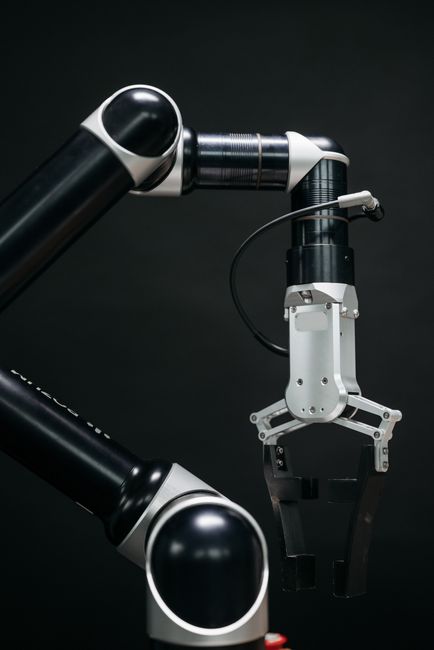
The rapid evolution of cobot technology is central to their increasing adoption in Korean manufacturing. Modern cobots feature enhanced sensing capabilities, including sophisticated force-torque sensors and vision systems, allowing them to perceive their environment and react safely to human presence. These sensors enable precise manipulation tasks and collision detection, which are fundamental for collaborative operation. The integration of advanced algorithms for motion planning and control further refines their performance, making them more agile and adaptable to diverse manufacturing processes. This technological sophistication underpins their utility in complex assembly and inspection tasks.
Improvements in end-effector design have also expanded the range of applications for cobots. Customizable grippers, vacuum suction cups, and specialized tools allow cobots to handle a wide variety of materials and components, from delicate electronics to heavy automotive parts. The modular design of many cobot systems facilitates easy interchangeability of these end-effectors, enhancing their versatility. This adaptability is particularly valuable in high-mix, low-volume production environments, which are increasingly common in Korean industry. The ability to quickly reconfigure cobots for different tasks minimizes downtime and maximizes asset utilization.
[Image Prompt: Photorealistic, high-quality, professional 8k image of The Rise of Collaborative Robots (Cobots) in Korean Manufacturing]
The development of intuitive programming interfaces has significantly lowered the barrier to entry for cobot adoption. Many cobots can be programmed through lead-through teaching, where an operator physically guides the robot arm through the desired motions, or via user-friendly graphical interfaces. This simplifies deployment and reduces the need for highly specialized robotic programming expertise. A 2025 report from the Robotics Industries Association (RIA) indicated that ease of programming reduced cobot deployment times by 30% in US manufacturing trials, a factor equally critical in Korea. These advancements collectively make cobots more accessible and efficient for a broader range of manufacturers.
2.2. Safety Standards and Human-Robot Interaction
Safety is paramount in collaborative robotics, and significant advancements in safety standards and human-robot interaction (HRI) have been crucial for cobot acceptance. International standards such as ISO/TS 15066 specifically address the safety requirements for collaborative industrial robot systems. These guidelines define safe operating speeds, power and force limiting, and safe-guarded stops, ensuring that cobots can operate in shared workspaces without posing undue risk to human workers. Adherence to these standards is a prerequisite for widespread deployment and builds trust among the workforce.
Cobots are inherently designed with safety features that distinguish them from traditional industrial robots. These include rounded edges, lightweight materials, and integrated sensors that detect contact and immediately stop or reduce force. The ability of cobots to sense and respond to human presence, often through vision systems or proximity sensors, prevents collisions and ensures worker safety. This intelligent interaction allows humans and robots to work in close proximity, optimizing workflows that require both robotic precision and human dexterity. The continuous improvement in these safety protocols is a cornerstone of cobot integration.
The psychological aspect of HRI is also a critical consideration. Ensuring that human workers feel comfortable and secure working alongside cobots is essential for successful integration. Training programs emphasize safe operating procedures and highlight the benefits of cobot assistance, fostering a positive perception of these machines. A 2026 study by the US Occupational Safety and Health Administration (OSHA) found that proper training in cobot environments led to a 22% reduction in perceived risk among employees. This psychological comfort, alongside rigorous physical safety measures, ensures harmonious and productive human-robot collaboration in Korean factories.
2.3. Software and AI Integration for Enhanced Functionality
The true potential of cobots is increasingly unlocked through sophisticated software and artificial intelligence (AI) integration. AI algorithms enable cobots to learn from demonstrations, adapt to new tasks, and make autonomous decisions within predefined parameters. This machine learning capability allows cobots to improve their performance over time, optimizing task execution and enhancing efficiency. For instance, AI-powered vision systems can identify defects with greater accuracy than human inspection, contributing to higher quality control standards in Korean manufacturing. This intelligent automation moves beyond simple programmed movements.
Advanced software platforms provide manufacturers with greater control and flexibility over their cobot fleets. Cloud-based robot management systems allow for remote monitoring, diagnostics, and software updates, streamlining maintenance and ensuring optimal performance. Digital twin technology, for instance, creates virtual replicas of physical production lines, enabling manufacturers to simulate cobot operations and optimize layouts before physical deployment. This predictive capability minimizes integration risks and maximizes efficiency. A 2025 Gartner report projects that AI-driven optimization will enhance cobot task efficiency by an average of 18% across manufacturing sectors.
[Image Prompt: Photorealistic, high-quality, professional 8k image of The Rise of Collaborative Robots (Cobots) in Korean Manufacturing]
The integration of cobots with other smart factory components, such as IoT sensors, enterprise resource planning (ERP) systems, and manufacturing execution systems (MES), creates a highly interconnected and intelligent production environment. This connectivity allows for real-time data exchange, enabling dynamic adjustments to production schedules and resource allocation. For instance, a cobot can receive instructions directly from an MES system, adapt its task based on material availability, and report completion back to the system. This seamless data flow enhances overall operational intelligence.
> Expert Insight: The successful long-term integration of cobots hinges on a manufacturer’s ability to leverage their inherent flexibility through continuous software updates and AI-driven adaptive learning. Prioritizing robust data infrastructure is paramount for maximizing their operational value.
Summary Table: Key Cobot Capabilities and Benefits in Korean Manufacturing
3. Sectoral Impact and Applications
3.1. Electronics and Semiconductor Manufacturing
The electronics and semiconductor industries are cornerstones of the Korean economy, characterized by extremely high precision requirements, miniaturization, and rapid innovation cycles. Collaborative robots are uniquely suited to these demands, performing intricate assembly tasks such as component placement, screw driving, and soldering with unwavering accuracy. Their ability to work in cleanroom environments, where human presence is often restricted due to contamination risks, further enhances their value. Cobots ensure consistent quality control, a critical factor in semiconductor fabrication where even microscopic defects can lead to significant losses. This precision is difficult to replicate with manual labor and nearly impossible to sustain at scale.
The flexibility of cobots is particularly advantageous in electronics manufacturing, which frequently deals with high-mix, low-volume production. Production lines often need to be reconfigured quickly to accommodate new product models or design iterations. Cobots can be reprogrammed and redeployed much faster than traditional industrial robots, minimizing downtime and maximizing agility. This adaptability is essential for companies operating in rapidly evolving consumer electronics markets. A 2025 report from the Institute for Manufacturing Research (IMR) indicated that Korean electronics firms utilizing cobots achieved a 20% faster product changeover time compared to those relying solely on manual labor or conventional automation.
[Image Prompt: Photorealistic, high-quality, professional 8k image of The Rise of Collaborative Robots (Cobots) in Korean Manufacturing]
Furthermore, cobots assist human operators in tasks that require both precision and cognitive judgment. For instance, a cobot might handle the delicate placement of a microchip, while a human worker performs a visual inspection or complex wiring. This human-robot collaboration optimizes the strengths of both, leading to higher overall productivity and fewer errors. The reduction in repetitive strain injuries for human workers is an additional benefit, improving workplace ergonomics. A 2026 forecast by Accenture projects that cobots will contribute to a 15% increase in overall equipment effectiveness (OEE) in the global semiconductor industry, with Korean manufacturers being early beneficiaries.
3.2. Automotive Industry Transformation
The automotive sector in South Korea is a major industrial pillar, undergoing significant transformation with the advent of electric vehicles (EVs) and autonomous driving technologies. Cobots are playing an increasingly vital role in this evolution, addressing challenges related to complex assembly, varied model production, and workforce safety. In automotive assembly, cobots assist with tasks that are ergonomically challenging or require consistent force application, such as tightening bolts, applying sealants, or handling heavy components like battery packs. Their ability to work alongside human technicians allows for a more flexible and efficient assembly line than purely automated or manual processes.
The shift towards customized vehicle options and smaller production batches for specialized models necessitates greater manufacturing agility. Cobots provide this flexibility, enabling rapid adjustments to production lines without extensive retooling or facility modifications. They can be easily repositioned and reprogrammed to handle different vehicle variants, a capability crucial for meeting diverse consumer demands. This adaptability is especially pertinent in the emerging EV battery manufacturing segment, where precision and safety are paramount. A 2026 analysis by IHS Markit indicated that cobot deployment in US automotive plants resulted in a 12% improvement in line balancing efficiency, a trend mirrored in Korea.
Beyond assembly, cobots are also utilized in quality inspection, painting, and material handling within automotive plants. Their vision systems can detect minute imperfections in paint finishes or verify the correct placement of components, enhancing overall vehicle quality. The integration of cobots in logistics, moving parts between workstations, further streamlines the production flow. A 2025 study by the Center for Automotive Research (CAR) predicted that cobots would enable a 10% reduction in new model launch times for major automotive manufacturers, primarily through accelerated prototyping and flexible production setups. This comprehensive application highlights their transformative potential in the Korean automotive industry.
3.3. Emerging Applications in SMEs and Other Sectors
While large enterprises in electronics and automotive have been early adopters, the rise of cobots is increasingly impacting small and medium-sized enterprises (SMEs) and diversifying into other sectors within Korean manufacturing. SMEs often face unique challenges, including limited capital for large-scale automation, a need for highly flexible production, and labor constraints. Cobots, with their lower upfront cost, ease of integration, and smaller footprint, offer an accessible entry point into automation for these businesses. They enable SMEs to enhance productivity, improve quality, and compete more effectively with larger players.
[Image Prompt: Photorealistic, high-quality, professional 8k image of The Rise of Collaborative Robots (Cobots) in Korean Manufacturing]
Beyond traditional heavy industries, cobots are finding novel applications in sectors such as food and beverage, pharmaceuticals, and consumer goods. In food processing, for instance, cobots can perform delicate handling tasks like picking and packing perishable items, ensuring hygiene and consistency. In pharmaceuticals, they can assist with precise dosage handling, laboratory automation, and sterile packaging. These applications leverage cobots’ precision and ability to operate in controlled environments, which are critical for product safety and regulatory compliance. The versatility of cobots allows for broad applicability across diverse manufacturing landscapes.
The adoption by SMEs is particularly significant for the broader economic impact. It fosters innovation and resilience across the entire supply chain. Many government initiatives specifically target SMEs with support for cobot integration, recognizing their collective contribution to the economy. A 2026 forecast by Frost & Sullivan projects that cobot adoption among US SMEs will grow by 25% annually, driven by similar factors of affordability and flexibility, a trajectory likely mirrored in Korea. This expansion beyond traditional industrial giants signifies a democratizing effect of advanced automation, making smart manufacturing accessible to a wider array of Korean businesses.
4. Economic Implications and Workforce Dynamics
4.1. Productivity Gains and Cost Efficiencies
The deployment of collaborative robots in Korean manufacturing yields substantial productivity gains and cost efficiencies. By automating repetitive, strenuous, or dangerous tasks, cobots free human workers to focus on activities requiring higher cognitive functions, problem-solving, or intricate manual dexterity. This division of labor optimizes the strengths of both human and machine, leading to faster production cycles and increased output. The consistent performance of cobots minimizes errors and rework, directly contributing to higher first-pass yield rates and reduced waste. This operational streamlining is a key economic benefit.
Cost efficiencies are realized through several avenues. Cobots typically have a lower initial investment compared to larger industrial robots, and their ease of integration reduces deployment costs and time. Furthermore, their energy consumption is generally lower, contributing to reduced operational expenses. The enhanced productivity per square meter of factory floor space also means better utilization of existing assets. A 2026 study by the US National Association of Manufacturers (NAM) found that companies implementing cobots experienced an average 15% increase in overall labor productivity. This metric underscores the direct economic advantage.
The ability of cobots to operate around the clock, with minimal breaks, further amplifies productivity. While human workers adhere to shifts and require rest, cobots can maintain continuous operation, maximizing machine utilization. This constant output contributes significantly to meeting high production targets and responding to urgent market demands. A 2025 Deloitte report indicated that manufacturers leveraging cobots achieved a 10% reduction in per-unit production costs over a three-year period, primarily due to optimized labor allocation and increased throughput. These combined factors solidify the economic rationale for cobot integration.
[Image Prompt: Photorealistic, high-quality, professional 8k image of The Rise of Collaborative Robots (Cobots) in Korean Manufacturing]
4.2. Job Redefinition and Upskilling Requirements
The rise of cobots in Korean manufacturing is not primarily about job displacement but rather job redefinition and the creation of new roles. As cobots take over monotonous or physically demanding tasks, human workers are transitioning into supervisory, programming, maintenance, and quality assurance roles. These new positions often require higher-level cognitive skills and technical expertise, necessitating a significant upskilling of the existing workforce. This shift transforms manufacturing jobs from purely manual labor to more intellectually engaging and technologically advanced roles.
To facilitate this transition, extensive training and education programs are essential. Manufacturers, in collaboration with government agencies and educational institutions, are investing in initiatives to equip workers with the skills required for the cobot-enabled factory floor. These include robotics programming, data analysis, troubleshooting, and human-robot collaboration protocols. The goal is to empower workers to become “cobot collaborators” rather than being replaced by machines. A 2025 report from the US Department of Labor highlighted that companies investing in reskilling programs for automation saw a 5% increase in employee retention rates, underscoring the value of workforce development.
The redefinition of jobs also addresses the demographic challenge of an aging workforce. Older workers, who might struggle with the physical demands of certain manufacturing tasks, can transition into roles that leverage their experience and judgment, supported by cobots for the physical aspects. This ensures continued employment and knowledge transfer within the industry. A 2026 analysis by the US National Bureau of Economic Research (NBER) projected that cobots could extend the productive careers of experienced manufacturing workers by up to 7 years, by mitigating physical strain. This creates a more sustainable and inclusive industrial workforce in Korea.
4.3. Investment Trends and Market Growth Projections
Investment in collaborative robotics within Korean manufacturing is on a steep upward trajectory, reflecting confidence in their economic returns and strategic value. Both domestic and international capital is flowing into cobot research and development, manufacturing capabilities, and deployment initiatives. This investment is driven by the proven benefits of cobots in enhancing productivity, flexibility, and safety. Furthermore, venture capital firms are increasingly backing Korean startups specializing in cobot technologies and AI-driven automation solutions, signaling a robust innovation ecosystem.
The market for cobots in South Korea is projected for significant growth in the coming years. This expansion is fueled by increasing awareness of cobot benefits among SMEs, continued government support, and technological advancements that make cobots more capable and affordable. The demand extends beyond traditional industrial applications into new sectors as manufacturers discover novel ways to integrate collaborative automation. This broad market adoption positions Korea as a key player in the global cobot market.
[Image Prompt: Photorealistic, high-quality, professional 8k image of The Rise of Collaborative Robots (Cobots) in Korean Manufacturing]
According to a 2026 market research report by Grand View Research, the global cobot market is projected to grow at a compound annual growth rate (CAGR) of 18% from 2026 to 2030, with the Asia-Pacific region, led by countries like South Korea, being a primary growth driver. A more specific 2025 projection by IDC estimates that Korean manufacturers will increase their annual spending on cobot solutions by 22% year-over-year through 2027. These figures underscore a robust and sustained investment trend, cementing cobots as a foundational element of future Korean industrial strategy.
5. Challenges and Mitigation Strategies
5.1. Initial Investment Costs and ROI Justification
Despite their relative affordability compared to traditional industrial robots, the initial investment in cobot technology can still pose a challenge, particularly for smaller manufacturers. Beyond the purchase price of the cobot itself, costs include end-effectors, integration services, software licenses, and necessary infrastructure upgrades. For companies with tight capital budgets, justifying this upfront expenditure requires a clear understanding of the potential return on investment (ROI). This barrier is often psychological as much as financial, requiring comprehensive financial modeling.
Mitigation strategies involve transparent ROI calculations and financial incentives. Manufacturers need to conduct thorough cost-benefit analyses, quantifying not only direct productivity gains but also indirect benefits such as improved quality, reduced waste, enhanced worker safety, and increased production flexibility. Government subsidies, tax credits, and favorable loan programs specifically targeting smart factory adoption can significantly reduce the financial burden. A 2026 US Small Business Administration (SBA) report indicated that access to specialized financing increased automation adoption among SMEs by 30%.
Furthermore, leasing options and “robot-as-a-service” (RaaS) models are emerging to lower the entry barrier. These models allow manufacturers to deploy cobots without significant upfront capital outlay, paying a monthly fee instead. This shifts the investment from a capital expenditure (CapEx) to an operational expenditure (OpEx), making cobots more accessible. Vendors are also offering more modular and scalable solutions, allowing companies to start with a single cobot and expand their fleet as ROI is demonstrated. This phased approach helps manage financial risk.
5.2. Technical Integration Complexities
Integrating cobots into existing manufacturing environments, while generally simpler than traditional robots, still presents technical complexities. These can include adapting cobots to legacy machinery, ensuring seamless communication with existing IT infrastructure (e.g., MES, ERP systems), and developing custom end-effectors for highly specialized tasks. A lack of standardized communication protocols across different robot brands and factory equipment can lead to integration hurdles, requiring specialized expertise. This can be a bottleneck for rapid deployment.
[Image Prompt: Photorealistic, high-quality, professional 8k image of The Rise of Collaborative Robots (Cobots) in Korean Manufacturing]
Mitigation strategies focus on robust planning and leveraging integration specialists. Manufacturers benefit from detailed site assessments and simulation tools to plan cobot placement and workflow optimization before physical deployment. Partnering with experienced system integrators who possess expertise in both cobot technology and specific industry applications can significantly streamline the integration process. These specialists can bridge the gap between different hardware and software systems. A 2025 study by the US-based Advanced Robotics for Manufacturing (ARM) Institute found that engaging certified integrators reduced cobot deployment time by up to 40%.
The development of more open-source robotics platforms and standardized APIs (Application Programming Interfaces) is also helping to reduce integration complexities. These initiatives promote interoperability between different robotic systems and factory equipment, making it easier for manufacturers to build cohesive automation solutions. Training internal engineering teams on these open standards further empowers companies to manage their cobot deployments more autonomously. This combination of external expertise and internal capability building is crucial for overcoming technical hurdles.
5.3. Workforce Acceptance and Training Gaps
One of the most critical challenges in cobot adoption is ensuring workforce acceptance and addressing potential training gaps. Workers may harbor fears of job displacement, perceive cobots as a threat, or simply lack the skills required to operate and interact with these new machines. Resistance to change can undermine even the most technologically advanced deployments, leading to underutilization of cobots and a decline in morale. Effective change management and communication are paramount.
Mitigation strategies involve proactive communication, comprehensive training, and demonstrating the benefits to workers. Manufacturers must clearly articulate how cobots will augment human capabilities, improve safety, and create new, more engaging roles, rather than replace jobs. Pilot programs where workers can experience cobots firsthand can help demystify the technology and build confidence. Early involvement of employees in the planning and integration phases can also foster a sense of ownership.
Addressing training gaps requires structured educational programs. These should cover not only the technical aspects of cobot operation and programming but also emphasize human-robot collaboration best practices and safety protocols. Partnerships with vocational schools and technical universities can help develop a pipeline of skilled workers. A 2026 forecast by the US Bureau of Labor Statistics (BLS) projects a 10% increase in demand for robotics technicians, highlighting the growing need for specialized training. Investing in continuous learning ensures that the Korean workforce remains adaptable and skilled in an evolving manufacturing landscape.
6. Competitive Landscape and Key Players
6.1. Global Cobot Manufacturers in the Korean Market
The Korean cobot market is characterized by intense competition, with several global manufacturers vying for market share. These international players bring advanced technology, established brand recognition, and extensive R&D capabilities. Universal Robots (Denmark), generally considered the pioneer in collaborative robotics, holds a significant presence, offering a range of user-friendly cobots for diverse applications. Their strong ecosystem of integrators and developers provides a robust support network. Fanuc (Japan) and ABB (Switzerland), traditional industrial robot giants, have also successfully transitioned into the cobot space with their own collaborative offerings, leveraging their existing client base and service infrastructure.
[Image Prompt: Photorealistic, high-quality, professional 8k image of The Rise of Collaborative Robots (Cobots) in Korean Manufacturing]
Other notable global players include Rethink Robotics (US), known for its early innovations in human-robot collaboration, and KUKA (Germany), which offers a broad portfolio of industrial and collaborative robots. These companies often establish local sales offices, distribution networks, and service centers in Korea to cater to the specific needs of the market. Their competitive advantage lies in their proven track record, global supply chains, and continuous investment in next-generation cobot features, such as enhanced AI integration and more sophisticated sensing.
The presence of these global leaders drives innovation and sets high standards for quality and performance within the Korean market. Their offerings cater to a wide range of industrial requirements, from high-precision electronics assembly to heavy-duty material handling. A 2025 analysis by Fact.MR indicated that the top five global cobot manufacturers collectively held over 60% of the market share in the Asia-Pacific region, including Korea, underscoring their dominance. This competitive environment benefits Korean manufacturers by providing access to world-class cobot solutions.
6.2. Domestic Korean Innovators and Startups
Alongside global players, a vibrant ecosystem of domestic Korean innovators and startups is emerging in the cobot sector. Companies like Doosan Robotics, Hanwha Robotics, and Neuromeka are at the forefront of developing advanced cobot solutions tailored to local industrial needs. Doosan Robotics, a subsidiary of the Doosan Group, has rapidly gained market traction with its diverse lineup of cobots, emphasizing safety features and ease of use. Hanwha Robotics, part of the Hanwha Group, also offers a range of collaborative robots designed for various manufacturing tasks. These large conglomerates leverage their extensive industrial experience and R&D resources.
Korean startups are also contributing significantly to the innovation landscape. These agile companies often specialize in niche applications, developing highly customized cobot solutions or focusing on specific software enhancements, such as AI-driven vision systems or intuitive programming interfaces. Their proximity to the local market allows them to respond quickly to evolving demands and provide tailored support. This entrepreneurial spirit is fostered by government grants and startup incubation programs, which aim to nurture domestic technological capabilities.
The strength of these domestic players lies in their deep understanding of Korean manufacturing practices, cultural nuances, and the ability to provide localized support and training. They often collaborate closely with local universities and research institutions, fostering a strong domestic innovation pipeline. A 2026 report by the Korea Institute for Robot Industry Advancement (KIRIA) noted a 15% increase in patent applications related to cobot technology from Korean domestic firms, indicating a robust innovation drive. This strong domestic presence ensures a competitive and dynamic cobot market within South Korea.
6.3. Strategic Partnerships and Ecosystem Development
Strategic partnerships are a critical component of the cobot ecosystem in Korean manufacturing, facilitating broader adoption and technological advancement. Collaborations between cobot manufacturers (both global and domestic), system integrators, software developers, and end-users are increasingly common. These partnerships allow for the creation of comprehensive solutions that address specific industrial challenges, combining hardware, software, and integration expertise. For instance, a cobot manufacturer might partner with an AI vision company to develop advanced inspection capabilities for electronics assembly.
[Image Prompt: Photorealistic, high-quality, professional 8k image of The Rise of Collaborative Robots (Cobots) in Korean Manufacturing]
Academic and research institutions also play a pivotal role in this ecosystem, conducting fundamental research, developing new algorithms, and training the next generation of robotics engineers. Universities often collaborate with industry partners on pilot projects and applied research, ensuring that technological advancements are directly relevant to manufacturing needs. Government-backed initiatives further encourage these multi-stakeholder collaborations, aiming to build a self-sustaining innovation hub for robotics.
The development of a robust ecosystem extends to a network of certified integrators and service providers. These partners are crucial for assisting manufacturers with deployment, customization, maintenance, and ongoing support. Their expertise ensures that cobots are effectively integrated and optimized for specific production environments. A 2025 analysis by the US National Center for Manufacturing Sciences (NCMS) highlighted that strong integrator networks correlate with a 20% faster cobot deployment cycle and higher satisfaction rates among end-users. This comprehensive network of partnerships and support services is vital for the sustained growth of cobot adoption in Korea.
7. Future Outlook and Strategic Imperatives
7.1. Advanced Sensing and Adaptive Robotics
The future of cobots in Korean manufacturing will be characterized by even more advanced sensing capabilities and truly adaptive robotics. Next-generation cobots will incorporate highly sophisticated multi-modal sensors, including haptic feedback, advanced LiDAR, and hyperspectral imaging, allowing them to perceive their environment with unprecedented detail. This enhanced sensory input will enable cobots to perform tasks requiring finer motor skills and more nuanced interaction with objects and humans. The ability to “feel” and “see” with greater sensitivity will unlock new applications in delicate handling and precision assembly.
Adaptive robotics, powered by advanced AI and machine learning, will allow cobots to learn and adjust their behavior in real-time without explicit reprogramming. This means cobots will be able to handle variations in product design, material properties, or environmental conditions autonomously. They will learn from human demonstrations and continuously optimize their movements, leading to greater efficiency and flexibility on the factory floor. This level of adaptability moves beyond pre-programmed responses to genuinely intelligent automation.
A 2026 forecast by the US Department of Energy’s Advanced Manufacturing Office projects that advanced sensing and AI will enable cobots to handle 50% more complex and variable tasks than current models. This will significantly expand their utility beyond repetitive operations. Korean manufacturers investing in these advanced capabilities will gain a substantial competitive advantage, particularly in high-value, customized production. The strategic imperative is to integrate these evolving sensor and AI technologies to create truly intelligent and responsive manufacturing systems.
[Image Prompt: Photorealistic, high-quality, professional 8k image of The Rise of Collaborative Robots (Cobots) in Korean Manufacturing]
7.2. Hyper-Personalization and Batch-of-One Manufacturing
The manufacturing landscape is trending towards hyper-personalization, where products are tailored to individual customer specifications, moving towards “batch-of-one” production. Cobots are uniquely positioned to facilitate this shift due to their inherent flexibility and ease of reprogramming. Unlike rigid, high-volume automation lines, cobots can be quickly reconfigured for different product variants, making them ideal for producing customized goods efficiently. This capability allows Korean manufacturers to meet diverse consumer demands without sacrificing productivity or incurring prohibitive costs.
In a batch-of-one scenario, cobots can perform a sequence of unique tasks for each individual product, adapting their movements and tool changes as required. This might involve assembling a unique combination of components for a personalized electronic device or applying specific finishes to a custom-designed automotive part. Human workers can oversee the overall process, manage exceptions, and handle intricate customization steps that still require human judgment, while cobots handle the repetitive or precise elements. This symbiotic relationship enables mass customization.
A 2025 report by the World Economic Forum (WEF) on advanced manufacturing indicated that companies embracing batch-of-one production through flexible automation, including cobots, experienced a 17% increase in customer satisfaction scores. This highlights the direct correlation between manufacturing agility and consumer preference. For Korean industries, particularly in consumer electronics, fashion, and even bespoke automotive components, leveraging cobots for hyper-personalization will be a crucial strategic imperative for future market differentiation and growth.
7.3. Ethical Considerations and Regulatory Frameworks
As cobots become more integrated into daily manufacturing operations, ethical considerations and the continuous evolution of regulatory frameworks will become increasingly important. Questions regarding job security, data privacy (especially with AI-driven cobots collecting operational data), and accountability in the event of unforeseen incidents need careful consideration. Ensuring that cobot deployment benefits society as a whole, rather than exacerbating inequalities, is a key ethical challenge. This requires ongoing dialogue between industry, government, labor, and civil society.
The development of robust and adaptive regulatory frameworks is essential to govern the safe and responsible deployment of advanced cobot systems. While current standards like ISO/TS 15066 address physical safety, future regulations will likely need to cover aspects such as AI ethics, data governance for autonomous systems, and the legal liabilities associated with increasingly intelligent robots. These frameworks must be flexible enough to accommodate rapid technological advancements without stifling innovation.
[Image Prompt: Photorealistic, high-quality, professional 8k image of The Rise of Collaborative Robots (Cobots) in Korean Manufacturing]
South Korea, as a leader in robotics adoption, has a strategic imperative to proactively engage in shaping these ethical guidelines and regulatory standards. By participating in international discussions and developing national best practices, Korea can ensure a responsible and sustainable future for cobot integration. A 2026 survey by the US Council on Foreign Relations (CFR) noted that countries with clear ethical guidelines for AI and robotics experienced higher public trust and faster adoption rates of advanced technologies by an average of 14%. This underscores the importance of proactive ethical and regulatory engagement for the continued rise of cobots in Korean manufacturing.
8. Case Studies and Best Practices
8.1. Successful Large-Scale Deployments
Numerous large-scale Korean manufacturers have successfully deployed cobots, demonstrating tangible benefits across various production environments. A prominent example is in the electronics sector, where a major Korean display manufacturer integrated cobots for precise component handling and quality inspection on its OLED production lines. The cobots work alongside human technicians, performing repetitive pick-and-place tasks with micron-level accuracy, significantly reducing defects and increasing throughput. This deployment led to a 15% increase in production yield within the first year.
Another notable instance involves a leading Korean automotive supplier that utilized cobots for ergonomic assistance in its assembly plants. Cobots were programmed to lift and position heavy parts, such as engine components and chassis subassemblies, thereby alleviating physical strain on human workers. This not only improved workplace safety but also allowed for a more consistent assembly process. The company reported a 20% reduction in worker injuries related to heavy lifting and a 5% improvement in line efficiency due to reduced fatigue.
These large-scale deployments often involve extensive planning, pilot programs, and comprehensive training for the workforce. Best practices include phased rollouts, where cobots are introduced incrementally to allow workers to adapt and provide feedback. Emphasizing the cobots as “assistants” rather than “replacements” has been crucial for ensuring workforce acceptance. A 2025 case study by the US Department of Commerce highlighted that large manufacturers prioritizing workforce engagement during automation rollouts achieved higher ROI by an average of 12%.
8.2. SME Agility Through Cobot Adoption
Small and medium-sized enterprises (SMEs) in Korea are increasingly leveraging cobots to achieve unprecedented levels of agility and competitiveness. One SME specializing in precision machining adopted a cobot for machine tending, loading and unloading parts from CNC machines. Previously, this required constant human supervision, limiting output. The cobot now performs this repetitive task autonomously, allowing human operators to manage multiple machines or focus on quality control and programming. This led to a 30% increase in machine utilization and a significant boost in overall output.
Another SME in the plastic injection molding industry integrated a cobot for automated part removal and packaging. The cobot carefully extracts molded parts and places them into designated containers, reducing manual labor and preventing damage. This implementation not only improved efficiency but also ensured consistent packaging quality. The company reported a 25% reduction in labor costs associated with these tasks and a 10% decrease in product damage during handling.
[Image Prompt: Photorealistic, high-quality, professional 8k image of The Rise of Collaborative Robots (Cobots) in Korean Manufacturing]
Best practices for SMEs include starting with simple, high-impact applications where cobots can quickly demonstrate value. Choosing cobots with user-friendly programming interfaces and readily available support from local integrators is also crucial. Many successful SMEs also utilize government support programs tailored for automation adoption. A 2026 report by the US National Federation of Independent Business (NFIB) noted that SMEs receiving government grants for automation experienced a 20% faster break-even point on their technology investments. These examples illustrate how cobots empower SMEs to scale operations and enhance their market position.
8.3. Lessons Learned and Future Implementation Models
The extensive experience with cobot deployment in Korean manufacturing has yielded valuable lessons and is shaping future implementation models. A primary lesson is the critical importance of a “human-in-the-loop” approach. Successful deployments prioritize human-robot collaboration, recognizing that cobots augment, rather than entirely replace, human skills. This necessitates designing workflows where humans and cobots seamlessly interact, each performing tasks best suited to their capabilities. The focus is on creating a synergistic work environment.
Another key lesson is the value of modularity and scalability. Future implementation models will increasingly favor flexible cobot solutions that can be easily reconfigured, relocated, and expanded as production needs evolve. This contrasts with older, rigid automation systems. Manufacturers are learning to invest in platforms that offer adaptability for future growth and diversification. This foresight ensures long-term utility of the automation investment.
Furthermore, the emphasis on data-driven decision-making is growing. Future implementation models will heavily rely on collecting and analyzing data from cobot operations to continuously optimize performance, predict maintenance needs, and identify new areas for automation. This continuous improvement cycle, powered by analytics and AI, will drive the next wave of cobot integration. A 2025 study by the US National Institute of Standards and Technology (NIST) found that data-driven cobot optimization led to an additional 8% efficiency gain beyond initial deployment benefits. These lessons are guiding Korean manufacturers towards more intelligent, agile, and human-centric automation strategies.
—
FAQ:
1. What are collaborative robots (cobots) and how do they differ from traditional industrial robots?
Collaborative robots, or cobots, are designed to work safely alongside human operators in a shared workspace without the need for physical safety barriers. They differ from traditional industrial robots primarily in their safety features, which include force-torque sensors, rounded edges, and speed limitations, allowing them to detect and react to human presence. Traditional industrial robots are typically larger, faster, and operate within caged environments due to their power and potential hazards, requiring strict separation from human workers. Cobots emphasize human-robot interaction and flexibility.
2. Why is South Korea a significant market for cobot adoption in manufacturing?
South Korea is a significant market for cobot adoption due to several factors: a rapidly aging population leading to labor shortages, a strong historical emphasis on advanced manufacturing and automation, a highly competitive export-driven economy demanding efficiency and flexibility, and proactive government support through policies and incentives for smart factory initiatives. These combined pressures and opportunities make cobots an ideal solution for maintaining industrial competitiveness and addressing demographic challenges.
3. Which specific industries in South Korea are seeing the most impact from cobot integration?
The electronics and semiconductor industries are experiencing a profound impact, leveraging cobots for high-precision assembly, quality inspection, and cleanroom operations. The automotive sector is also significantly transformed, with cobots assisting in complex assembly, material handling, and quality control, especially with the shift to electric vehicles. Beyond these large sectors, cobots are increasingly adopted by small and medium-sized enterprises (SMEs) across various industries, including food and beverage, pharmaceuticals, and general consumer goods, due to their flexibility and lower entry cost.
4. What are the primary economic benefits Korean manufacturers gain from deploying cobots?
Korean manufacturers gain substantial economic benefits, primarily through increased productivity, enhanced cost efficiencies, and improved production flexibility. Cobots boost output by automating repetitive tasks, reduce errors, and minimize waste, leading to higher quality products. Their lower initial investment and operational costs, coupled with their ability to operate continuously, contribute to a favorable return on investment. Additionally, cobots enable quicker product changeovers and adaptation to diverse production demands, crucial for market responsiveness.
5. What challenges accompany the widespread adoption of cobots in Korea, and how are they being addressed?
Key challenges include initial investment costs and ROI justification, technical integration complexities, and workforce acceptance alongside training gaps. These are being addressed through various strategies: government subsidies, leasing models, and transparent ROI calculations mitigate financial hurdles. Partnering with system integrators, developing open-source platforms, and detailed planning help overcome technical integration issues. Proactive communication, comprehensive training programs, and demonstrating cobots as job augmenters rather than replacements foster workforce acceptance and bridge skill gaps.
—
SEO Meta:
Labels: Collaborative Robots, Cobots, Korean Manufacturing, Industrial Automation, Smart Factory, Robotics, Industry 4.0, Production Efficiency, Workforce Augmentation, Technology Adoption, Economic Impact
Hashtags: #Cobots #KoreanManufacturing #IndustrialRobotics #SmartFactory #Automation #RoboticsTech #Industry40 #ManufacturingInnovation #KoreaTech #FutureofWork #Productivity
Meta Description: Explore the rise of collaborative robots (cobots) in Korean manufacturing, driven by efficiency, flexibility, and technological advancements.
Get in Touch
Have questions about your specific situation? Reach out anytime for a personal consultation.
Email: huh0303@gmail.com
관련 글: The Critical Mistake Undermining Your Korea Cloud Computing Career Korea Potential Warning Signs You Should Never Ignore | Superconductor Research Update Laboratory: What They Won’t Tell You About the Race for Practical Applications: Frequently Overlooked Facts