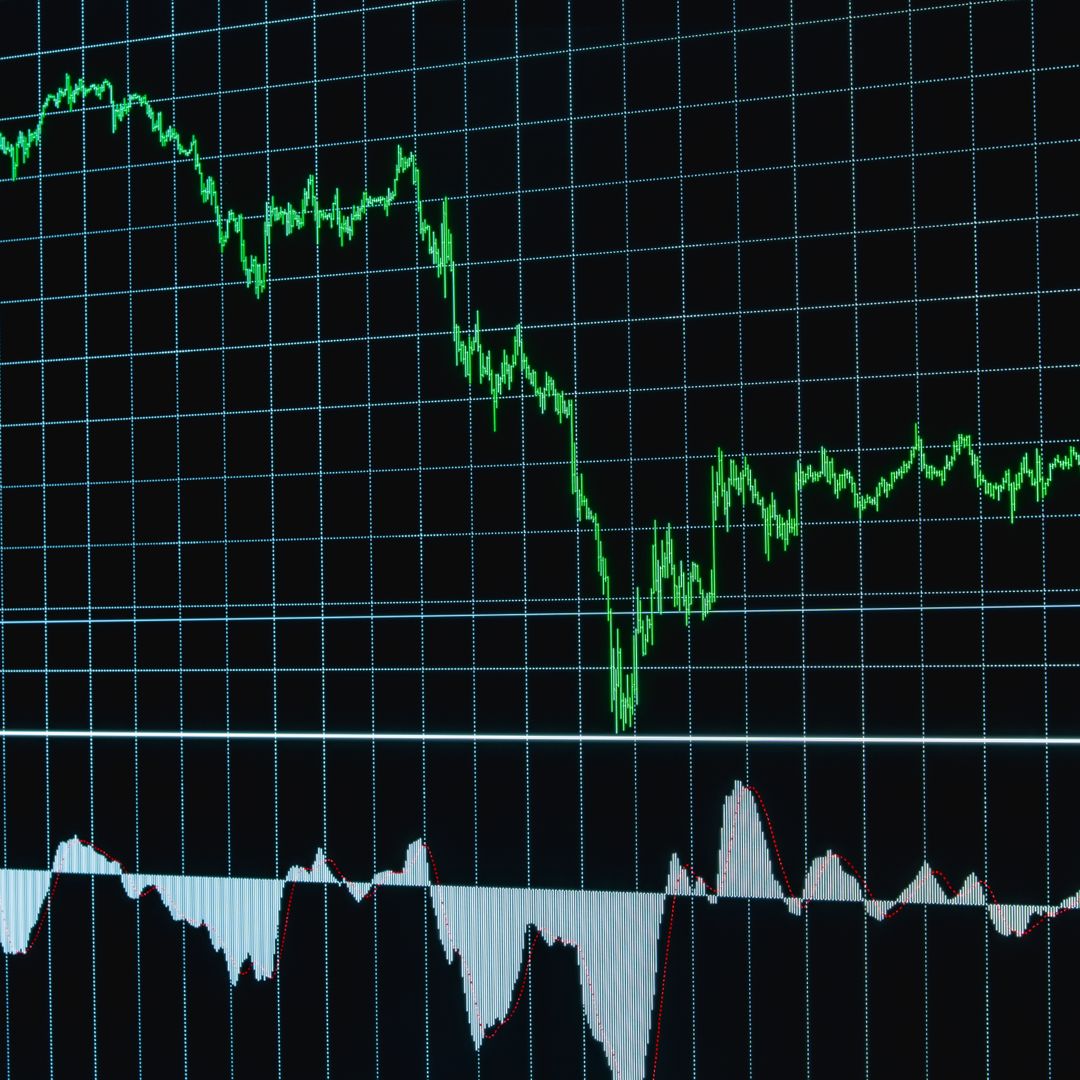

Structural Dependencies in Domestic Equity Performance
The 코스피 (KOSPI, Korea Composite Stock Price Index) functions as a primary barometer for the health of the domestic semiconductor and broader technology sectors. Fluctuations in the index often mirror shifting global demand for memory hardware and the underlying infrastructure required to sustain enterprise-grade artificial intelligence.
Integration of Silicon Manufacturing and Market Valuation
Advanced semiconductor fabrication relies on a continuous infusion of capital into lithography (the process of using light to print circuit patterns on wafers) and high-bandwidth memory (HBM, a specialized type of RAM that stacks memory layers) production lines. When lead manufacturers adjust their facility investments, the ripple effects are immediately visible in index-heavy tech stocks. These institutional shifts dictate the liquidity available for a Startup ecosystem that depends on robust exit strategies and stable capital markets.
| Indicator | Primary Tech Influence | Market Effect |
|---|---|---|
| Capex (Capital Expenditure) | Semiconductor Fabrication | Long-term index growth |
| HBM Demand | AI Server Infrastructure | Short-term volatility |
| Export Volume | Electronics/Hardware | Currency stability |
Organizational Research and Strategic Direction
The Ministry of Science and ICT (https://www.msit.go.kr/eng) maintains that the stability of the domestic technology index is intrinsically linked to the localized supply chain for critical AI hardware. Concurrently, academic institutions such as KAIST (https://www.kaist.ac.kr/en) are focusing research efforts on next-generation packaging technologies to ensure that Korean firms remain competitive against global peers. This symbiotic relationship between policy-driven R&D and market performance remains a central theme for Tech News analysis.
- Policy Alignment: Government incentives for chip research directly support the valuation of constituent index firms.
- Academic Input: University-led advancements in nanotechnology provide the intellectual property necessary for sustained corporate growth.
- Resource Allocation: Infrastructure projects for AI data centers are prioritized to mitigate potential output bottlenecks.
Broader Industrial Implications
Investors tracking the index must account for the cross-sector influence of semiconductor health on peripheral industries. The EV Battery sector, for instance, shares similar supply chain constraints and requires comparable levels of fixed-asset investment to maintain a competitive advantage. Sophisticated Investment strategies increasingly emphasize the decoupling of hardware manufacturing risks from broader macroeconomic indicators.
Variables Affecting Future Performance
While the correlation between semiconductor output and index stability is well-documented, specific outcomes regarding AI adoption rates remain fluid. The transition toward autonomous fabrication lines and the standardization of power-efficient chips represent significant variables that continue to influence market sentiment. Analysts remain cautious about the speed at which these advanced technologies can be integrated into existing manufacturing frameworks without incurring excessive operational costs.
자주 묻는 질문 (FAQ)
How does HBM production affect the local market index?
High-bandwidth memory production requires massive capital expenditure, which serves as a leading indicator of earnings potential for the largest firms within the index.
What role does the Ministry of Science and ICT play in stock performance?
The Ministry develops policies that secure the semiconductor supply chain, providing a stable regulatory environment that encourages long-term institutional backing.
Why is the semiconductor sector a proxy for the broader tech market?
Because semiconductors are foundational to AI and electronics, their supply chain health dictates the operational capacity of nearly all other high-tech industries in Korea.
Get in Touch
Have questions about your specific situation? Reach out anytime for a personal consultation.