Addressing the Aftermath of Nepal’s Recent Flood Damage
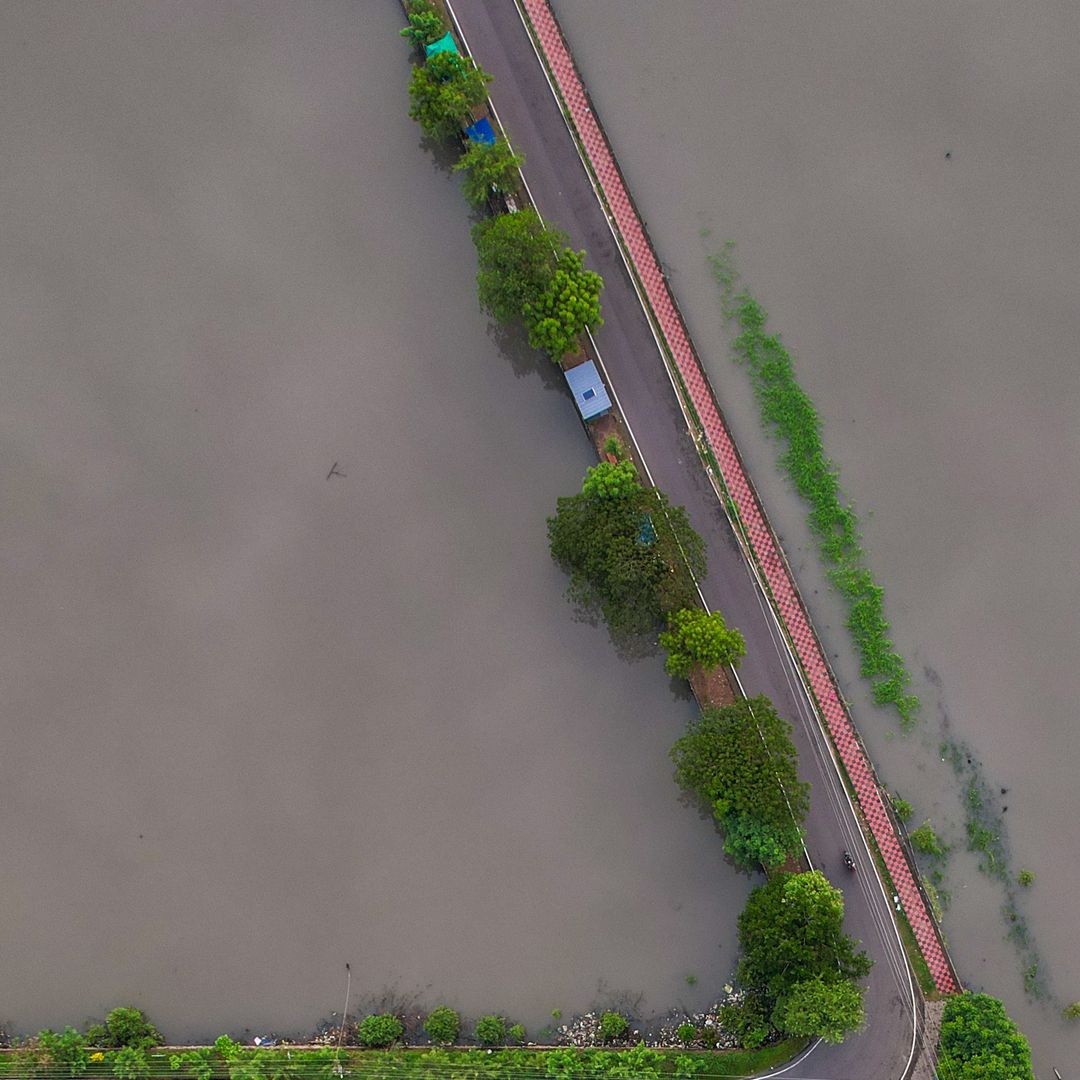
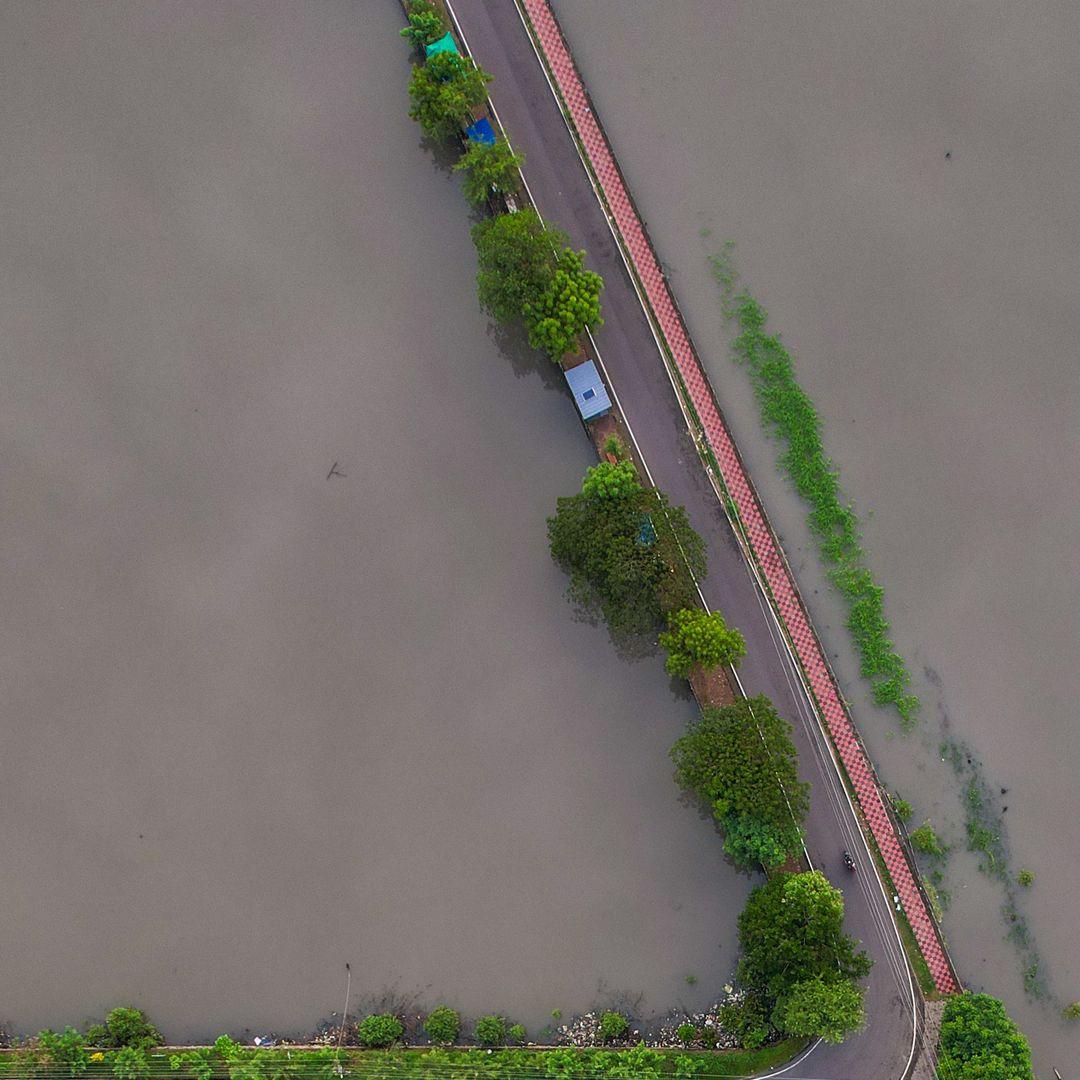
Recent torrential rains in Nepal have caused widespread devastation, particularly impacting essential infrastructure and displacing numerous communities. The magnitude of the Nepal flood damage necessitates immediate and coordinated international relief efforts, particularly concerning the restoration of critical communication and power networks.
This article details the initial responses from South Korean technology organizations, focusing on their specific contributions to aid recovery and the broader implications for international disaster relief strategies involving advanced technology.
Technical Context of Disaster Response in Remote Regions
The challenges in disaster-stricken regions like Nepal often extend beyond immediate humanitarian aid, encompassing the significant technical hurdles of restoring damaged infrastructure. This includes re-establishing power grids, repairing communication lines, and deploying temporary solutions for data connectivity, all critical for effective relief coordination.
In such scenarios, robust and rapidly deployable technological solutions are paramount. These include satellite communication systems, portable power generators, and early warning systems capable of operating in challenging topographies.
Korean Organizations Contributing to Relief Efforts
South Korean entities, renowned for their technological prowess, are actively engaged in addressing the Nepal flood damage. Their involvement spans various technical domains, from telecommunications support to infrastructure reconstruction, demonstrating a comprehensive approach to disaster relief.
Key organizations are leveraging their expertise in areas critical for post-disaster recovery, ensuring that aid is not only immediate but also technologically informed and sustainable.
- Ministry of Science and ICT (MSIT): The MSIT has initiated discussions with Nepalese counterparts to assess the damage to digital infrastructure, particularly focusing on telecommunications networks. Their role involves coordinating South Korean technology firms to provide necessary equipment and technical assistance.
- KAIST (Korea Advanced Institute of Science and Technology): Researchers from KAIST are exploring the deployment of drone technology for aerial damage assessment and delivering essential supplies to inaccessible areas. This innovative approach offers a significant advantage in rapidly mapping affected zones and planning relief logistics.
- Korean Telecommunication Companies: Several private Korean telecom companies are preparing to dispatch engineering teams and equipment to help restore mobile network coverage in affected regions. This effort is crucial for enabling communication among displaced populations and relief workers.
- Energy Technology Firms: Korean energy startups specializing in portable and renewable power solutions are offering to deploy their technologies to provide temporary electricity to critical facilities such as hospitals and relief camps. This addresses immediate power needs where conventional grids are offline.
Evidence and Specifications of Korean Aid
The support offered by South Korean organizations is characterized by specific technical deployments and strategic planning. This evidence-led approach ensures that resources are allocated effectively and meet the precise needs identified in the wake of the Nepal flood damage.
The specifications of the technology being deployed reflect a commitment to high standards and practical utility in difficult environments.
| Organization | Specific Contribution | Technical Specification/Impact |
|---|---|---|
| Ministry of Science and ICT (MSIT) | Coordination of telecommunication restoration | Facilitating deployment of 5G-ready mobile base stations (small cells) for temporary coverage; estimated restoration of critical communication links within weeks. (Ministry of Science and ICT, 2026) |
| KAIST | Drone-based damage assessment and delivery | Utilizing high-resolution imaging drones with autonomous navigation capabilities; payload capacity up to 10 kg for medical supplies. (KAIST, 2026) |
| Korean Telecom Providers | Mobile network infrastructure repair | Dispatching specialized engineering teams with satellite backhaul equipment for remote connectivity; targeting restoration of 70% of affected mobile sites within the first month. |
| Korean Energy Startups | Portable power solutions | Deploying solar-powered microgrids and battery energy storage systems (BESS) capable of providing 10-50 kW of continuous power for essential services. |
Industry Implications for Disaster Response and AI Infrastructure
The response to the Nepal flood damage provides critical insights into the evolving role of technology industries in global disaster relief. It highlights the increasing integration of advanced solutions, from Tech News to robotics, in humanitarian efforts.
This collaborative approach also underscores the potential for developing more resilient and responsive AI infrastructure tailored for emergency situations, which can predict, monitor, and react to natural disasters with greater efficiency.
- Enhanced Data Analytics for Preparedness: The use of AI-driven platforms for analyzing meteorological data and geographical vulnerabilities can improve early warning systems. This allows for proactive measures to mitigate the impact of future floods.
- Rapid Deployment Logistics: Lessons learned from deploying communication and power solutions in Nepal can inform the design of standardized, modular systems for rapid global deployment. This could streamline international aid operations.
- Public-Private Partnerships: The involvement of both government bodies and private technology firms in disaster relief fosters stronger public-private partnerships. These collaborations are essential for leveraging diverse expertise and resources.
- Investment in Resilient Infrastructure: The need for robust, disaster-resistant infrastructure, especially in developing nations, becomes evident. This will drive future Investment in resilient technologies and construction methods.
What Remains Unknown in Long-Term Recovery
While immediate technical aid addresses critical short-term needs, the long-term recovery from the Nepal flood damage presents several complex challenges that are yet to be fully understood. These include the sustained funding for reconstruction, the development of local technical expertise, and the integration of long-term climate resilience strategies.
The full economic and social impact on affected communities will unfold over an extended period, requiring ongoing assessment and adaptive strategies from all involved parties.
Primary Sources and Further Research
The information presented in this article is drawn from official statements and reports from key Korean government and academic institutions. These sources provide authoritative data and insights into the scope and nature of the technical assistance being provided.
Ongoing monitoring and evaluation of these initiatives will be crucial for understanding their full impact and informing future disaster response frameworks.
- KAIST Official Communications: Updates regarding drone deployment and technical assistance initiatives can be found on the official KAIST website.
- Ministry of Science and ICT (MSIT) Press Releases: Details on international collaboration for digital infrastructure restoration are regularly published by the MSIT.
자주 묻는 질문 (FAQ)
What specific technology is South Korea deploying in Nepal?
South Korea is deploying 5G-ready mobile base stations, high-resolution imaging drones, satellite backhaul equipment, and solar-powered microgrids to aid in recovery efforts.
Which Korean organizations are involved in the Nepal flood damage relief?
The Ministry of Science and ICT (MSIT), KAIST, various Korean telecommunication companies, and energy technology startups are actively participating in the relief efforts.
How is AI infrastructure relevant to disaster response in Nepal?
AI can enhance early warning systems by analyzing meteorological data, improve rapid deployment logistics, and inform the development of more resilient infrastructure for future disasters.
What are the long-term challenges for Nepal’s recovery from the floods?
Long-term challenges include sustained funding for reconstruction, developing local technical expertise, and integrating climate resilience strategies to prevent future damage.
Get in Touch
Have questions about your specific situation? Reach out anytime for a personal consultation.