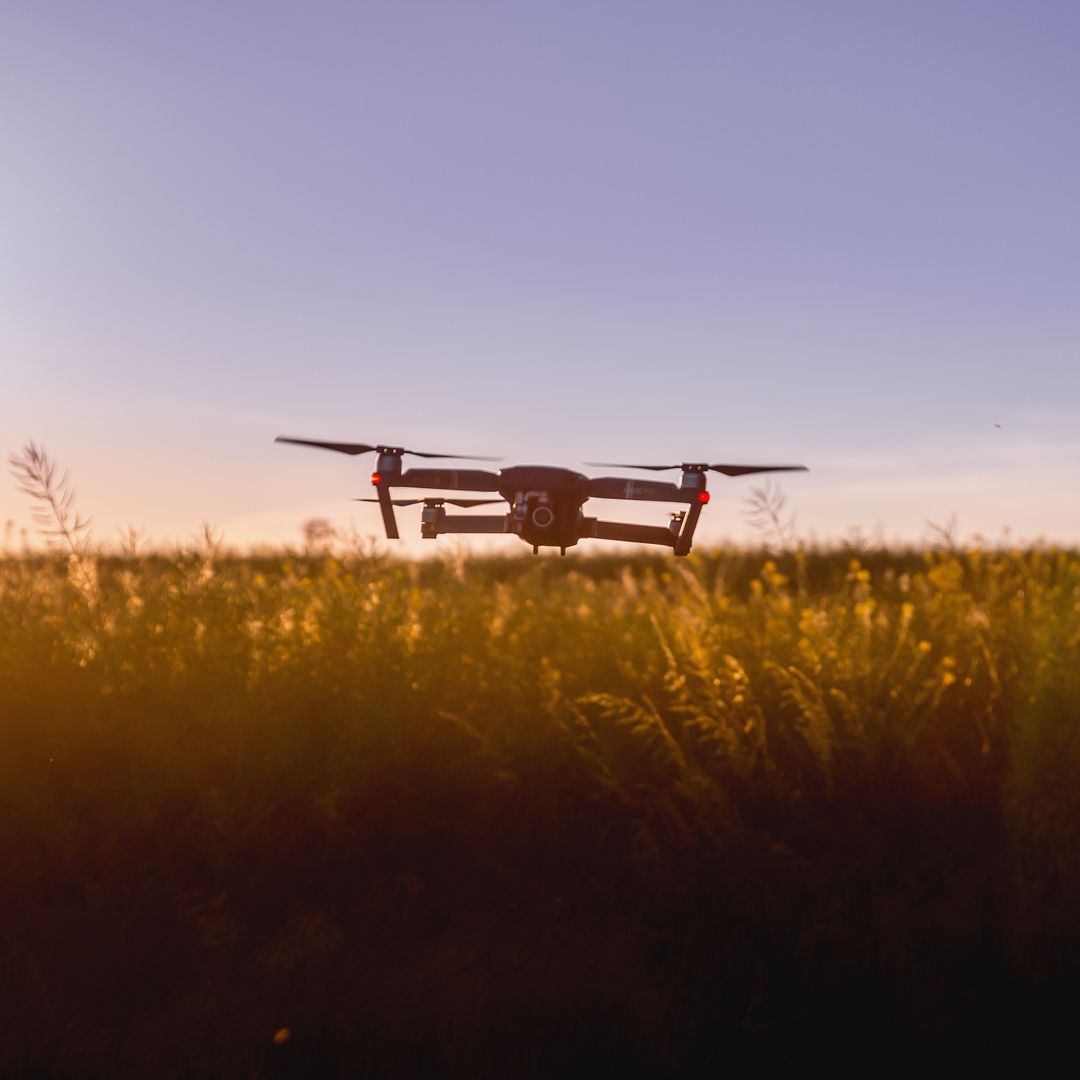
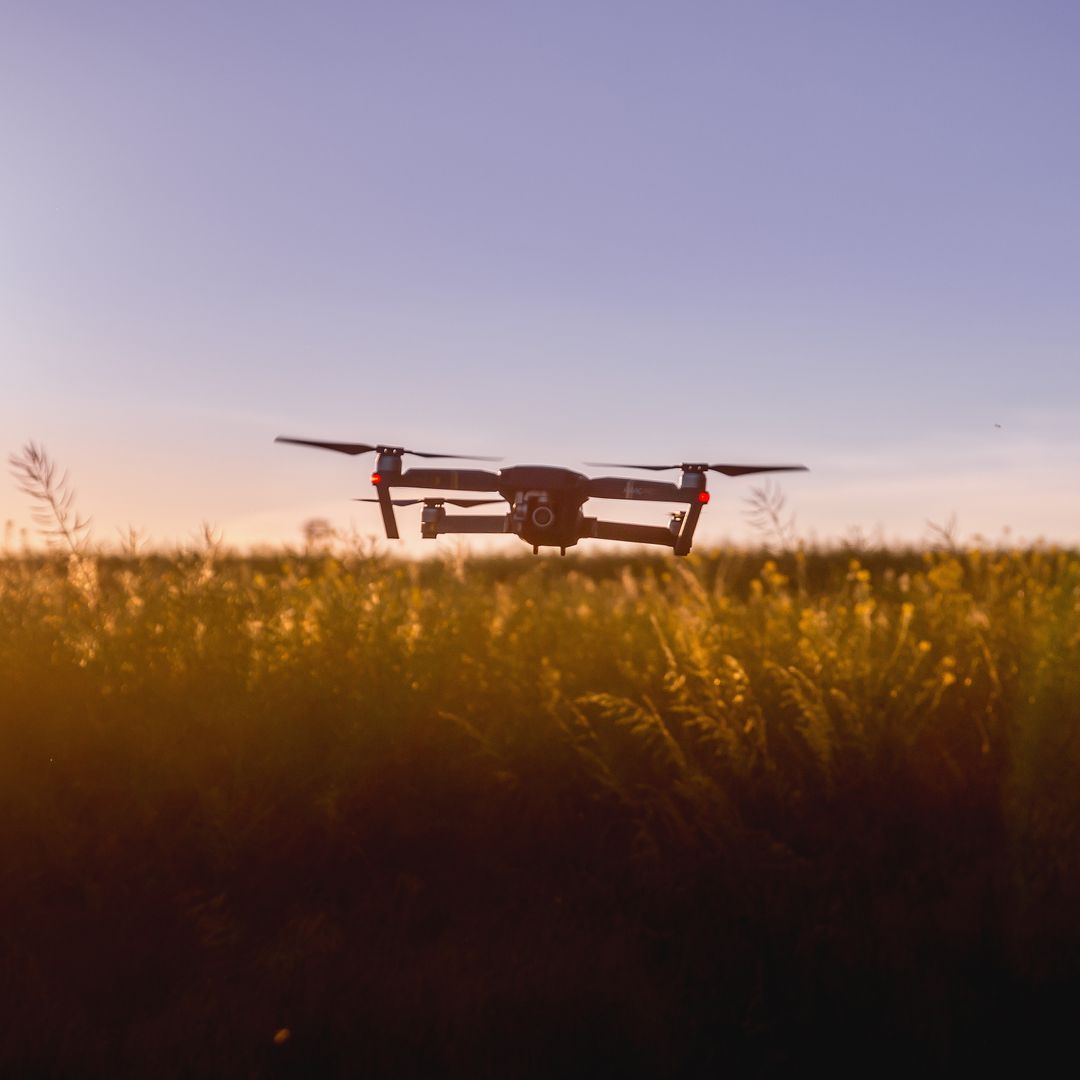
The integration of high-performance semiconductor components and localized processing architectures is reshaping the operational capabilities of drone technology within the domestic industrial sector. Recent developments in navigation precision and autonomous decision-making are moving beyond experimental phases, moving toward standardized deployment across critical infrastructure and logistics. This shift relies on a coordinated effort between national research bodies and regulatory agencies to ensure that hardware reliability meets the demands of complex, high-stakes environments.
Technical progress in this field centers on the miniaturization of edge-computing processors capable of running onboard inference models. Modern aerial platforms now require sophisticated chips to process sensor data in real-time, reducing latency between signal reception and physical response. By leveraging specialized AI acceleration units, these systems can perform object recognition and obstacle avoidance without reliance on continuous cloud connectivity. The stability of these autonomous platforms is directly tied to the efficiency of the underlying semiconductor fabrication processes, ensuring power consumption remains within the limits of mobile battery technology.
The Korean research ecosystem, led by institutions such as KAIST, remains the primary engine for these architectural breakthroughs. Researchers are focusing on swarm intelligence algorithms that allow multiple units to coordinate tasks without centralized control. Concurrently, the Ministry of Science and ICT has implemented policy frameworks to streamline the certification of these autonomous systems. These efforts help a budding Startup ecosystem translate laboratory prototypes into scalable commercial solutions.
| Focus Area | Technological Requirement | Primary Benefit |
|---|---|---|
| Hardware | Low-power NPU (Neural Processing Unit) | Extended flight duration |
| Software | Edge-native computer vision | Autonomous obstacle avoidance |
| Infrastructure | High-bandwidth communication | Remote fleet management |
| Regulation | Standardized safety protocols | Expanded commercial operation |
The industry implications of this hardware-software alignment extend far beyond simple observation tasks. Integrating advanced silicon into aerial hardware allows for predictive maintenance of national infrastructure, such as power grids and deep-sea cables. Consistent advancements in domestic chip design provide a competitive advantage, shielding local developers from global supply chain disruptions that often plague imported components. Investors in Finance are increasingly looking at these deep-tech integrations as indicators of long-term sector health and technological sovereignty.
The current technological landscape presents several key considerations for firms operating within this space:
- Computational Load: Balancing the heavy demand of onboard neural networks with the strict weight constraints of aerial chassis.
- Security Protocols: Ensuring that hardware-level encryption is baked into the silicon to prevent unauthorized signal interception.
- Interoperability: Developing standardized interfaces that allow different sensor modules to communicate seamlessly with the central flight controller.
- Scalability: Moving from single-unit pilot programs to large-scale fleet operations managed by unified control centers.
Despite these advancements, significant challenges persist regarding the long-term reliability of these systems in extreme weather conditions. The resilience of semiconductor junctions under high-vibration environments remains a subject of ongoing study, as does the development of energy-dense power storage. Readers can track the latest developments in this sector through our Tech News updates, which monitor the convergence of hardware policy and industrial application as it evolves.
자주 묻는 질문 (FAQ)
What role do semiconductors play in modern drone performance?
Semiconductors function as the brain of the device, providing the necessary processing power for real-time edge computing, sensor fusion, and autonomous flight path adjustments.
How does the current policy landscape support autonomous aerial systems?
The Ministry of Science and ICT provides regulatory frameworks and R&D funding that prioritize the safety and commercial viability of autonomous aerial technologies.
Why is hardware-level security critical for these systems?
Hardware-level security prevents data tampering and unauthorized control, which is essential for deployments involving sensitive infrastructure or logistics operations.
Can these systems operate without cloud connectivity?
Yes, thanks to onboard neural processing units, modern platforms can perform complex tasks like obstacle avoidance locally at the edge.
Get in Touch
Have questions about your specific situation? Reach out anytime for a personal consultation.