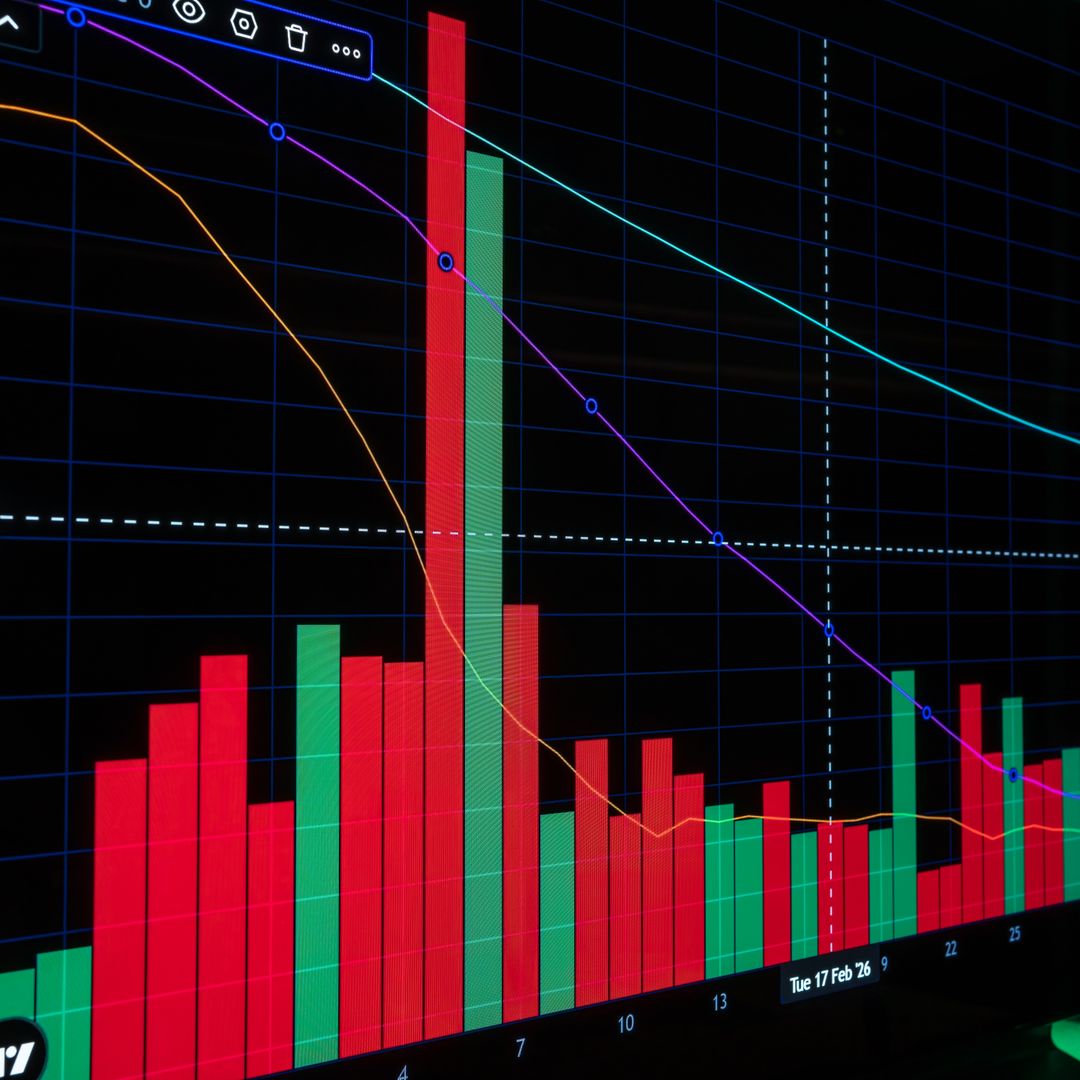
Recent signals of a 나스닥 급락 (steep decline in the Nasdaq index) have prompted a re-evaluation of valuation models for technology-heavy portfolios. This market correction highlights the sensitivity of growth-oriented assets to shifts in global interest rate expectations and capital expenditure cycles in the technology sector.
Technical Context of Market Volatility
The Nasdaq index serves as a primary bellwether for the global high-tech ecosystem, heavily weighted by companies developing AI foundation models and hardware. When large-cap technology firms face valuation pressure, the ripple effect often crosses borders, impacting regional markets that provide the underlying hardware components. For the domestic industry, this correction serves as a reminder of the cyclical nature of the global hardware demand.
Korean Organizations and Strategic Response
The Ministry of Science and ICT (https://www.msit.go.kr/eng) continues to monitor how these international financial fluctuations influence the long-term planning of domestic Semiconductor production. Simultaneously, research institutions like KAIST (https://www.kaist.ac.kr/en) are focusing on technical self-reliance to reduce dependence on volatile global supply chains. These organizations emphasize that the core strength of the domestic industry remains in its fabrication capabilities rather than short-term market speculation.
- Supply Chain Stability: Maintaining consistent production flow despite external financial headwinds.
- Policy Focus: Prioritizing foundational research to buffer against sudden shifts in international demand.
- R&D Prioritization: Allocating resources toward high-value, next-generation computing architectures.
Industry Implications and Capital Flows
The current financial environment necessitates a more cautious approach for a Startup seeking venture capital in the deep tech sector. Investors are increasingly looking for firms with proven revenue models rather than those reliant on speculative growth metrics. This shift in the Investment landscape encourages domestic firms to focus on operational efficiency and sustainable growth.
| Metric | Pre-Correction Focus | Post-Correction Focus |
|---|---|---|
| Growth Target | Rapid Market Share Expansion | Sustainable Profitability |
| Funding Source | Speculative Venture Capital | Strategic Industry Partnerships |
| Primary Risk | Under-scaling Infrastructure | Capital Allocation Inefficiency |
Evidence and Strategic Specifications
Recent data suggests that while index volatility creates short-term noise, the structural demand for specialized computing hardware remains robust. The reliance on HBM (High Bandwidth Memory) and advanced packaging solutions for data centers acts as a stabilizer for major domestic producers. The following list summarizes key areas where industry policy is being reinforced to maintain momentum:
- Foundry Capacity: Scaling up 2nm (nanometer) fabrication lines to meet global demand for energy-efficient chips.
- Localization: Strengthening the domestic materials, parts, and equipment (So-Bu-Jang) supply chain.
- Talent Development: Expanding specialized training programs for engineers capable of managing complex fabrication processes.
What Remains Unknown
The duration and depth of the current financial instability remain difficult to quantify with precision. It is also unclear how international trade policies might shift in response to prolonged market volatility, potentially altering the competitive landscape for domestic exports. Industry analysts are closely observing whether major global tech firms will trim their capital expenditure budgets for the upcoming quarters, which would directly impact the production orders for the domestic industry.
자주 묻는 질문 (FAQ)
How does a Nasdaq decline affect Korean semiconductor firms?
It often leads to increased volatility in local equity markets and changes in global demand projections for hardware, though fundamental production capacity remains driven by long-term technological demand.
What role does the Ministry of Science and ICT play during market downturns?
The Ministry maintains oversight of R&D funding and industrial policies to ensure that core technical capabilities are not compromised by short-term financial fluctuations.
Are AI infrastructure investments at risk due to market changes?
While speculative investments may slow down, critical infrastructure projects supported by government and long-term strategic partners continue to be prioritized for national competitiveness.
Get in Touch
Have questions about your specific situation? Reach out anytime for a personal consultation.