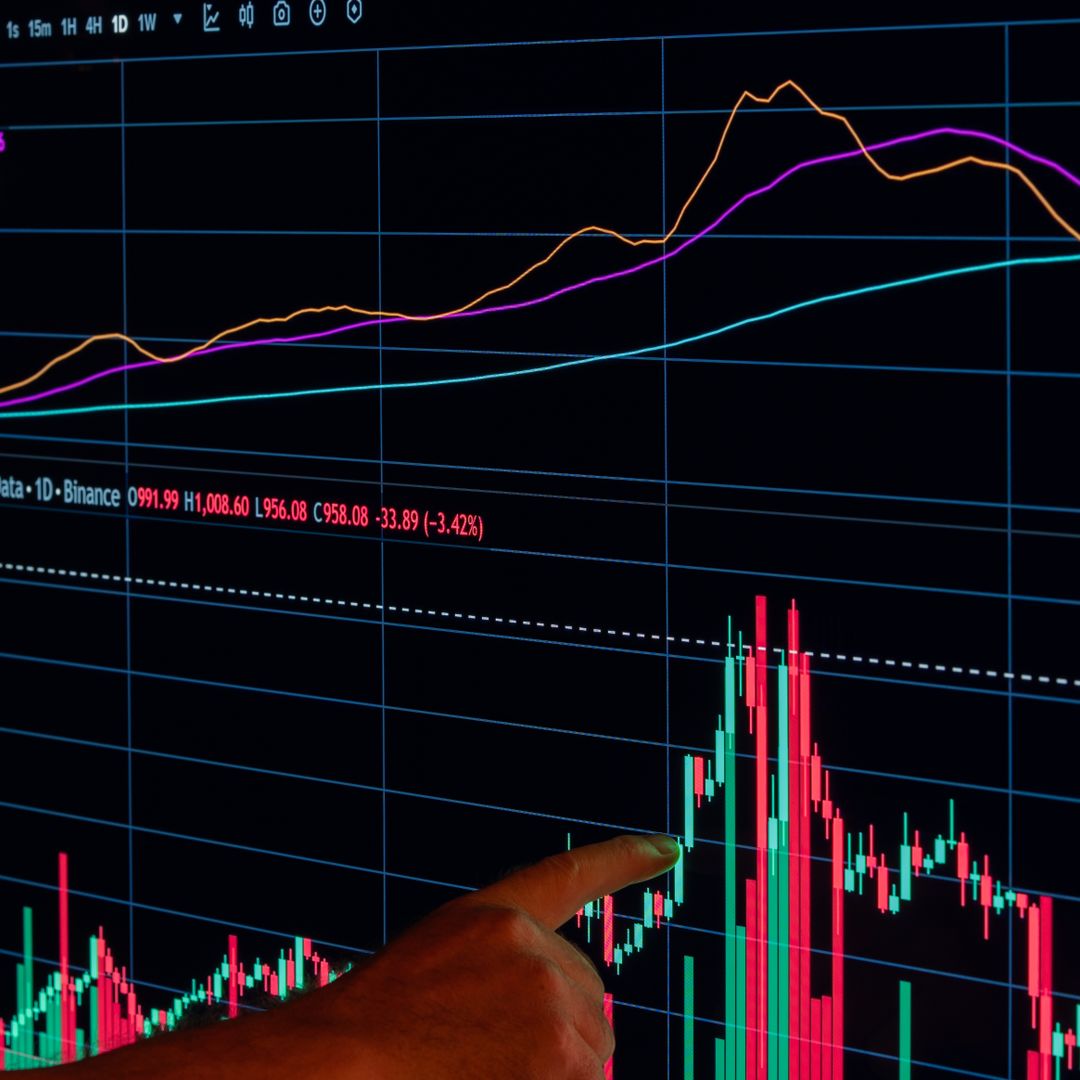
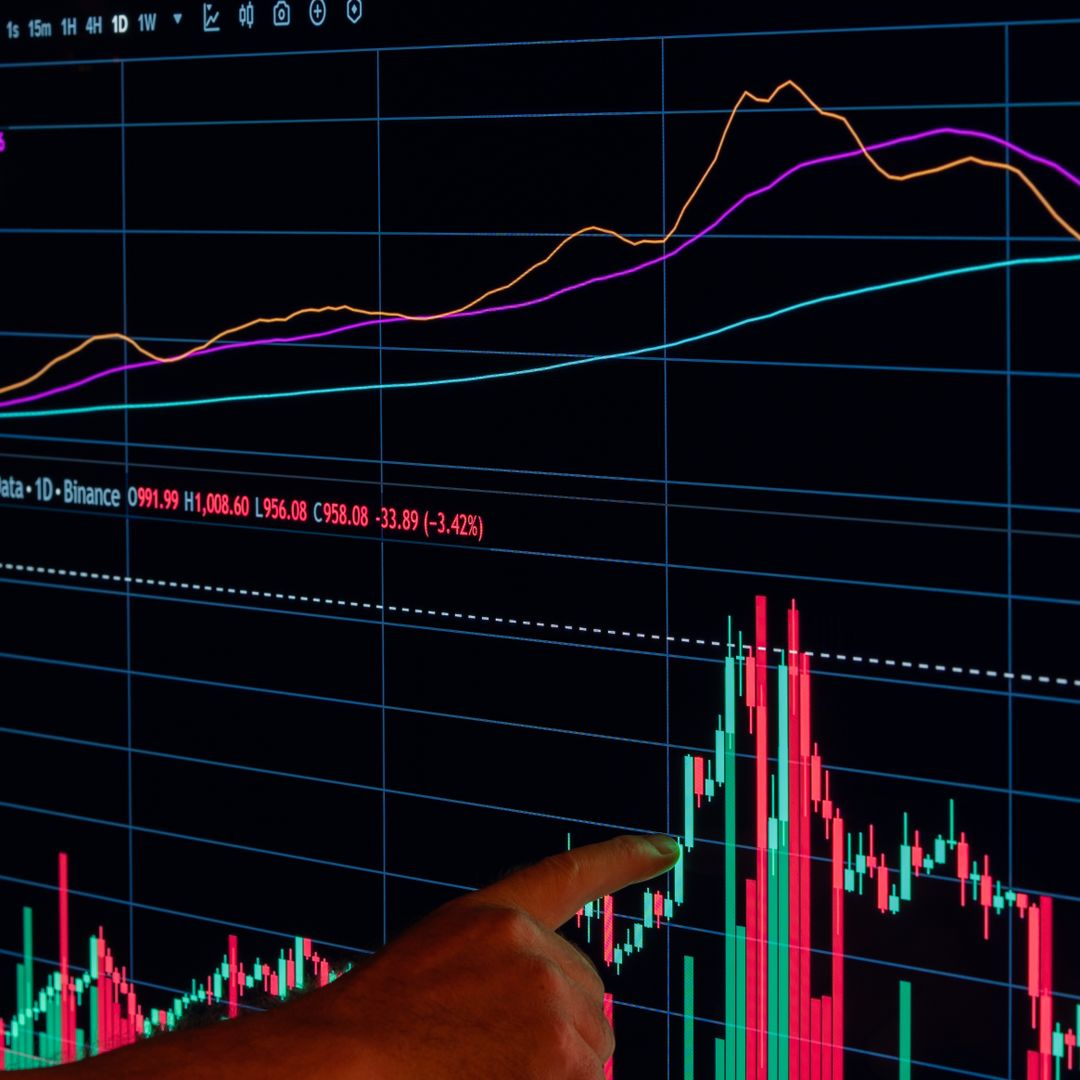
Fluctuations in 뉴욕증시 Directly Shape Korean Semiconductor Valuations
Major index shifts overseas trigger immediate valuation adjustments across domestic chip manufacturers listed on the local exchange. Trading desks in Seoul monitor foreign institutional flows daily to gauge overseas sentiment toward hardware suppliers.
Evaluating the Circuitry and Logic Behind Cross-Border Equity Transmission
Equity transmission occurs through algorithmic trading desks and global depository receipts reacting to overnight index closes. When overseas technology benchmarks contract, foreign capital outflows typically ensue in the domestic market.
- Algorithmic triggers: Automated sell programs execute when key overseas thresholds break.
- Depository receipts: Overseas listings adjust parity values before morning trading opens in Seoul.
- Foreign net flows: Cross-border funds recalibrate sector weightings based on overseas earnings reports.
Academic and Ministerial Oversight in Semiconductor Supply Security
Domestic research institutions and regulatory bodies collaborate to insulate the domestic manufacturing base from sudden external shocks. Researchers at KAIST (https://www.kaist.ac.kr/en) develop resilient circuit architectures to maintain performance standards during market downturns.
| Entity | Primary Function | Strategic Focus |
|---|---|---|
| KAIST | Advanced Research | Semiconductor architecture and AI integration |
| Ministry of Science and ICT | Policy & Funding | Overseeing technology infrastructure and Startup grants (https://www.msit.go.kr/eng) |
Empirical Metrics Governing Export Performance and Hardware Demand
Export volume statistics confirm that memory chip shipments remain tightly correlated with overseas enterprise hardware spending. Analysis published via the Seoul Journal outlines how hardware supply chains adapt to changing overseas demand curves. Parallel developments in EV Battery components demonstrate similar sensitivity to global equity sentiment.
Macroeconomic Ramifications for Domestic Chip Foundries
Foundry operators must balance capital expenditure plans against volatile external financing costs. Fluctuations in overseas indices alter the cost of capital for expensive fabrication plant expansions.
- Capital expenditure budgets face revision when borrowing costs shift.
- Fab construction timelines adjust based on predictable equipment delivery schedules.
- Equipment amortization schedules depend on stable long-term customer commitments.
Unresolved Variables Affecting Future Cross-Border Capital Flows
Market observers note that regulatory interventions and sudden currency shifts remain difficult to quantify in advance. The exact timing of foreign institutional re-entry into domestic technology equities continues to depend on broader macroeconomic data releases.
자주 묻는 질문 (FAQ)
How do overseas index movements affect domestic chip manufacturers?
Automated trading algorithms and foreign institutional portfolio adjustments transmit overseas index shifts directly to domestic technology valuations during morning trading sessions.
What role do domestic academic institutions play in mitigating external shocks?
Research universities like KAIST develop resilient circuit designs and advanced packaging methods to sustain hardware competitiveness despite market volatility.
Why are export volumes correlated with overseas equity performance?
Enterprise hardware spending cycles tracked by overseas indices dictate the order volumes received by domestic memory and foundry suppliers.
How do funding conditions change for local foundries during market contractions?
External equity and debt financing costs rise when overseas benchmarks decline, prompting temporary reviews of capital expenditure timelines for new fabrication facilities.
Get in Touch
Have questions about your specific situation? Reach out anytime for a personal consultation.